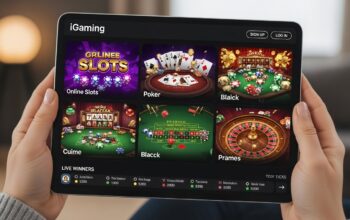

The gaming industry has witnessed an extraordinary transformation over the past two decades, evolving from simple console-based experiences to highly sophisticated digital platforms. At the forefront of this evolution is iGaming, a term that encompasses online gambling, betting, and interactive gaming experiences. The iGaming sector has grown exponentially, combining technology, entertainment, and innovation to create a seamless environment for players worldwide. This blog explores the dynamic landscape of iGaming, its technological backbone, regulatory challenges, and the trends shaping its future.
Understanding iGaming
iGaming is a broad term that refers to all forms of online gambling. Unlike traditional gambling in physical casinos, iGaming platforms allow players to participate in games such as poker, slots, blackjack, sports betting, and lotteries from the comfort of their homes or on mobile devices. The industry’s appeal lies in its convenience, accessibility, and the immersive digital experiences it offers.
The global reach of iGaming has grown significantly due to advances in internet connectivity, smartphone proliferation, and cutting-edge gaming software. Players can now engage in real-time multiplayer games, place bets on live sports events, and enjoy casino-style games with authentic graphics and sound effects that replicate the excitement of a physical casino.
The Technological Backbone of iGaming
The rapid growth of iGaming is closely linked to technological advancements. Several key technologies contribute to the success and innovation in this industry.
Random Number Generators
At the core of fair and transparent online gaming is the Random Number Generator (RNG). RNGs ensure that every outcome in games such as slots and roulette is entirely random and unpredictable. This technology maintains player trust by guaranteeing fairness in games that are based purely on chance.
Live Dealer Technology
Another revolutionary innovation in iGaming is live dealer technology. This allows players to interact with real-life dealers through video streaming. By combining the convenience of online gaming with the authentic experience of a traditional casino, live dealer games offer a social and immersive experience that attracts players who seek realism in online gaming.
Blockchain and Cryptocurrencies
Blockchain technology and the integration of cryptocurrencies have transformed payment systems within the iGaming industry. Cryptocurrencies like Bitcoin and Ethereum enable secure, fast, and anonymous transactions, providing players with enhanced privacy. Blockchain also allows for transparent and tamper-proof gaming records, further strengthening player confidence.
Mobile Gaming
Mobile technology has become a cornerstone of iGaming. With smartphones and tablets, players can access games anywhere, anytime. Mobile-optimized platforms and applications ensure smooth gameplay, instant access to betting markets, and push notifications for promotions and live events. Mobile gaming has significantly broadened the iGaming audience, making it accessible to a diverse demographic of players.
Popular iGaming Segments
iGaming is a diverse industry with multiple segments catering to different player preferences. Understanding these segments is essential for appreciating the scope and potential of online gaming.
Online Casino Games
Online casinos form the backbone of the iGaming industry. These platforms offer a variety of games, including slots, blackjack, baccarat, roulette, and poker. High-quality graphics, immersive sound effects, and engaging gameplay mechanics make online casinos a major attraction for players seeking entertainment and the thrill of winning.
Sports Betting
Sports betting is one of the most popular forms of iGaming. Players can place bets on football, basketball, cricket, horse racing, and virtually any sport with real-time odds and live updates. The integration of statistics, predictive analytics, and live streaming has elevated sports betting into a highly strategic and exciting experience.
Poker Platforms
Poker remains a highly competitive segment of iGaming. Online poker platforms offer cash games, tournaments, and sit-and-go formats, catering to both casual players and professional competitors. Advanced features such as multi-table tournaments, AI-based opponent analysis, and interactive chat enhance the appeal of online poker.
Lottery and Bingo
Lottery and bingo games have transitioned seamlessly into the online environment. Players can now participate in global lotteries, instant-win games, and virtual bingo rooms with a wide range of themes and prizes. These games are particularly appealing for casual players who enjoy low-stakes gaming combined with social interaction.
Regulatory Landscape
The rapid expansion of iGaming has led to a complex and evolving regulatory environment. Since iGaming involves real-money transactions, jurisdictions worldwide have established legal frameworks to ensure player protection, responsible gaming, and fair play.
Licensing is a critical aspect of regulation. Reputable iGaming operators must obtain licenses from recognized authorities, which enforce standards for security, fairness, and responsible gaming practices. These regulations also ensure that operators pay taxes and contribute to local economies.
While some countries have fully legalized and regulated iGaming, others have restrictive policies or outright bans. This uneven regulatory landscape poses challenges for operators seeking global reach but also creates opportunities for innovation in compliance technology and responsible gaming initiatives.
The Impact of Artificial Intelligence
Artificial intelligence (AI) has become a game-changer in the iGaming industry. AI algorithms analyze player behavior, preferences, and betting patterns to offer personalized gaming experiences. From tailored promotions and bonuses to adaptive gameplay mechanics, AI enhances player engagement and satisfaction.
Moreover, AI is used to detect fraud, prevent problem gambling, and monitor suspicious activity on gaming platforms. This ensures a safe and responsible gaming environment, protecting both operators and players.
Responsible Gaming and Player Safety
As iGaming grows, ensuring responsible gaming is a top priority. Operators implement tools and resources to help players manage their gaming habits. These include deposit limits, self-exclusion programs, and reality-check notifications that remind players of time spent on platforms.
Education and awareness campaigns are also crucial. Players are encouraged to understand the risks of gambling, recognize addictive behaviors, and seek help when necessary. Responsible gaming practices not only protect players but also strengthen the credibility and sustainability of the iGaming industry.
Emerging Trends in iGaming
The iGaming industry is constantly evolving, with emerging trends shaping its future.
Virtual Reality and Augmented Reality
Virtual reality (VR) and augmented reality (AR) technologies are poised to redefine online gaming experiences. VR allows players to immerse themselves in fully interactive 3D casino environments, while AR enhances gameplay with interactive overlays and real-world integration. These technologies promise to make iGaming more engaging and realistic than ever before.
Social Gaming Integration
Social gaming elements are becoming increasingly important. Platforms now encourage community building, social interaction, and multiplayer experiences. Leaderboards, chat features, and collaborative challenges foster engagement and create a sense of camaraderie among players.
Gamification
Gamification is another trend that adds excitement to iGaming. By incorporating achievements, rewards, leveling systems, and challenges, operators create a more engaging and addictive experience. Gamification encourages players to spend more time on platforms and increases overall retention rates.
Data Analytics and Personalization
Data analytics continues to play a pivotal role in iGaming. Operators use insights from player behavior to optimize game design, promotions, and user experience. Personalized recommendations and targeted incentives increase player satisfaction and drive revenue growth.
Economic and Social Impact
The iGaming industry has a significant economic impact, generating revenue, employment, and technological innovation. It creates jobs in software development, customer support, marketing, and cybersecurity. The industry also contributes to taxation and local economies, particularly in regions where gambling is legalized.
From a social perspective, iGaming offers entertainment, skill development, and social interaction. However, it also raises concerns about gambling addiction and financial risks. Balancing entertainment value with social responsibility remains a key challenge for the industry.
Future Outlook
The future of iGaming is bright and full of potential. With continuous technological innovation, expanding global markets, and increasing acceptance of online gambling, the industry is expected to grow exponentially in the coming years.
Operators will increasingly leverage AI, VR, AR, and blockchain to enhance user experience, security, and transparency. Mobile platforms will continue to dominate, while regulatory frameworks evolve to accommodate the global expansion of online gaming.
As the iGaming industry matures, its ability to combine entertainment, technology, and responsible gaming practices will define its long-term success. The industry is not only transforming the way people gamble but also shaping the future of digital entertainment.
Conclusion
iGaming has evolved from a niche online pastime into a multi-billion-dollar global industry. With advancements in technology, innovative gaming platforms, and a growing base of enthusiastic players, iGaming is revolutionizing entertainment. From online casinos and sports betting to VR experiences and AI-driven personalization, the industry continues to push boundaries and redefine digital gaming.
While challenges such as regulation and responsible gaming remain, the future of iGaming is filled with opportunities. As technology continues to evolve and player experiences become more immersive, iGaming will remain at the forefront of the entertainment and digital innovation landscape.