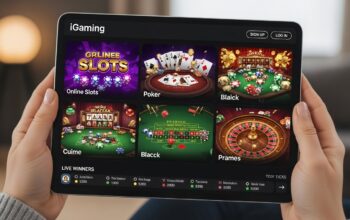
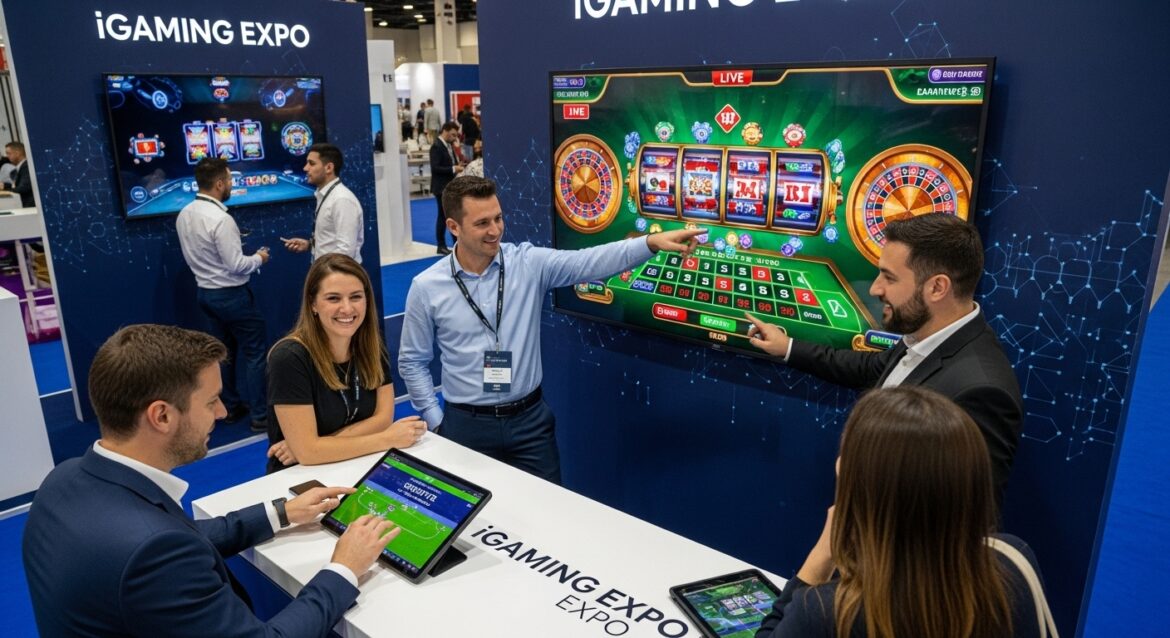
The iGaming industry, a term that encapsulates online gaming and gambling, has grown exponentially in recent years. With advancements in technology, particularly mobile devices, high-speed internet, and enhanced security protocols, the way people experience gaming and betting has undergone a remarkable transformation. From online casino games to virtual sports and esports betting, iGaming offers an exciting blend of entertainment and potential profit. This blog will delve into the world of iGaming, exploring its evolution, the trends driving its growth, its impact on the gaming and gambling industries, and what the future holds for this rapidly expanding sector.
The Rise of iGaming: From Traditional to Digital
The roots of iGaming can be traced back to the early days of the internet. In the mid-1990s, online casinos began emerging, offering a way for players to gamble without leaving their homes. Initially, these online platforms were relatively simple, offering traditional casino games like poker, blackjack, and roulette. However, the convenience and accessibility of online gambling quickly caught the attention of players worldwide. As the internet expanded and e-commerce became more popular, the potential for digital gambling grew.
The industry saw significant milestones in the late 1990s and early 2000s. In 1996, Microgaming launched the first online casino software, marking the beginning of an era where virtual casinos could offer a realistic gaming experience. This period also saw the establishment of the first online sportsbook and the introduction of poker rooms where players could compete against one another. By the early 2000s, poker had become a global phenomenon, fueled by the launch of platforms like PokerStars and Full Tilt Poker.
The technological advancements of the next decade, including broadband internet, mobile devices, and software development, paved the way for a more immersive and accessible iGaming experience. Games became more sophisticated, offering stunning graphics, live dealers, and real-time multiplayer capabilities. The rise of social media platforms and mobile gaming also played a role in spreading awareness of online gambling, further fueling its growth.
What is iGaming?
iGaming refers to any form of gaming or gambling that takes place online. This includes everything from traditional casino games like slots and table games to modern offerings like virtual sports, esports betting, and online poker. The iGaming industry encompasses a wide range of gaming activities, each offering a unique experience for players.
Here are some key components of iGaming:
- Online Casinos: These platforms offer digital versions of traditional casino games such as roulette, blackjack, baccarat, and poker. Online casinos provide players with the convenience of playing from home or on the go, with many sites offering both real-money and free-to-play options.
- Sports Betting: Betting on sports events, from major leagues like football, basketball, and tennis to niche markets like esports, is a huge component of the iGaming landscape. Sportsbooks allow players to place bets on various outcomes, including match results, player performance, and odds.
- Virtual Sports: A growing trend in iGaming is the rise of virtual sports. These are computer-generated simulations of real-life sports, where players can place bets on virtual teams or athletes. These games are often available 24/7, making them a popular choice for bettors looking for non-stop action.
- Esports Betting: Competitive video gaming, or esports, has become a significant sector in the iGaming industry. Major esports tournaments and leagues draw huge audiences, and betting on esports matches has become as popular as traditional sports betting.
- Lottery and Bingo: Online lotteries and bingo have long been staples of the iGaming world. With the ability to play these games at any time and from any place, players can enjoy the thrill of potentially winning big prizes with minimal effort.
The Appeal of iGaming: Accessibility and Convenience
One of the major reasons iGaming has gained such traction is its accessibility. Gone are the days when individuals had to visit a physical casino or sportsbook to place a bet. With the advent of mobile apps and websites, players can now access their favorite games with the tap of a finger, whether they are at home, commuting, or on vacation.
Online casinos, sports betting platforms, and other iGaming services are available 24/7, providing users with round-the-clock access to entertainment. Unlike land-based casinos, which have fixed hours of operation and are restricted by geographical locations, iGaming platforms offer a level of convenience that was previously unimaginable.
Furthermore, the variety of games available online is staggering. Online casinos offer hundreds, if not thousands, of different slots, card games, and table games. Sports bettors can place wagers on a wide range of sports, from football and basketball to less mainstream events like esports or virtual horse racing. This diversity means that no matter what a player’s preferences are, there is always something available to suit their tastes.
The Role of Technology in iGaming
The technological advancements that have shaped the iGaming industry are vast and varied. Below are some of the key technologies that have revolutionized the sector:
- Mobile Gaming: With the advent of smartphones and tablets, mobile gaming has become a significant driver of the iGaming industry. Players can now enjoy their favorite games on the go, with many online casinos and sportsbooks offering fully optimized mobile platforms.
- Live Dealer Games: One of the most popular trends in recent years is the introduction of live dealer games. These games stream real dealers into players’ devices in real-time, allowing them to interact with the dealer and other players just like in a physical casino. This brings the authenticity of land-based gaming to the digital world.
- Blockchain and Cryptocurrencies: Blockchain technology and cryptocurrencies have made their way into the iGaming industry. Cryptocurrencies like Bitcoin, Ethereum, and Litecoin offer a decentralized and secure method of payment, allowing for faster transactions and greater privacy. Blockchain also enables transparent and fair gaming, ensuring that results cannot be tampered with.
- Augmented Reality (AR) and Virtual Reality (VR): Augmented Reality and Virtual Reality are transforming the iGaming experience by creating more immersive and interactive environments. VR casinos allow players to explore virtual worlds and interact with dealers and other players as if they were physically there. AR enhances the gaming experience by overlaying digital content onto the real world, which could be used to create more dynamic and engaging betting experiences.
- Artificial Intelligence (AI): AI has made its way into iGaming through various applications, such as chatbots, personalized recommendations, and advanced data analytics. AI is used to enhance player experiences, identify patterns of behavior, and create more responsive, intelligent systems for customer support.
The Challenges of iGaming
While the iGaming industry has grown at a remarkable pace, it is not without its challenges. One of the biggest concerns for regulators and players alike is the issue of responsible gambling. The ease of access to online gambling has raised questions about addiction and the potential for individuals to lose control over their betting behaviors.
Many iGaming platforms have responded to this by implementing responsible gambling features, such as self-exclusion, deposit limits, and time management tools. Additionally, many jurisdictions now require online gambling platforms to obtain licenses and operate under strict regulatory frameworks to ensure fairness and player protection.
Another challenge is the issue of fraud and cybersecurity. With the rise of online financial transactions, ensuring the safety and security of user data has become a top priority. iGaming platforms are increasingly investing in sophisticated encryption technology and fraud prevention measures to protect players’ sensitive information and ensure fair play.
The Future of iGaming
The future of iGaming looks bright, with new technological innovations and a growing global market promising to reshape the industry even further. The continued integration of virtual and augmented reality will likely lead to even more immersive and engaging gaming experiences. Additionally, the rise of esports and the increasing popularity of mobile gaming will continue to drive growth in the sector.
As the industry matures, we can also expect to see a greater emphasis on sustainability and social responsibility. With increased regulation and focus on responsible gambling, the industry is moving towards a more transparent and ethical approach, ensuring that players can enjoy gaming while minimizing potential harm.
Conclusion: A New Era of Entertainment
iGaming has revolutionized the way people experience gambling and gaming, offering unmatched convenience, variety, and accessibility. As technology continues to evolve, the possibilities for innovation within the sector are boundless. From the rise of live dealer games to the integration of VR and AI, the future of iGaming promises even more exciting developments.
Whether you’re a casual player looking for entertainment or a serious bettor hoping to make a profit, iGaming provides an endless array of opportunities. As the industry continues to grow and adapt, one thing is certain: the thrill of gaming and gambling will always remain at the heart of this exciting digital revolution.