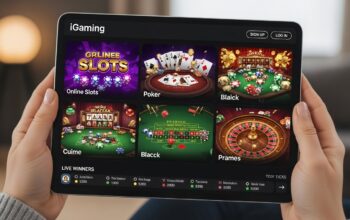

In recent years, the world of gambling has undergone a monumental transformation. Traditionally confined to brick-and-mortar casinos, sports betting outlets, and poker rooms, the industry has embraced the digital age with open arms. Enter iGaming, a revolutionary concept that merges technology and traditional gambling. From online casinos to virtual sports betting, iGaming is reshaping the gambling experience, offering new opportunities for players and operators alike. This blog post explores the rise of iGaming, its impact on the gambling industry, and what the future holds.
What is iGaming?
At its core, iGaming refers to all forms of online gambling, including online casinos, poker rooms, sports betting, virtual games, and eSports betting. The term encompasses not only traditional casino games like blackjack, roulette, and slots but also new-age betting experiences such as fantasy sports leagues, virtual horse racing, and even live dealer games, all of which are accessible via the internet. iGaming has become a global phenomenon, thanks to technological advancements, the proliferation of mobile devices, and changes in gambling regulations.
The Digital Revolution: How Technology is Changing Gambling
The iGaming revolution can largely be attributed to the rapid advancement of technology. With high-speed internet connections, mobile apps, and innovations like augmented reality (AR) and virtual reality (VR), gambling has become more interactive, engaging, and accessible than ever before.
Mobile Accessibility
One of the biggest drivers of iGaming growth has been the rise of mobile gambling. Smartphones and tablets have revolutionized the way people gamble, enabling users to place bets and play their favorite casino games on-the-go. Operators have invested heavily in developing mobile-optimized platforms, ensuring that their services are user-friendly and compatible with various devices.
Mobile apps and responsive websites allow players to access games at their convenience, anytime and anywhere. Whether it’s during a commute, while relaxing at home, or even at work (although that’s not recommended!), players can enjoy a seamless and uninterrupted gambling experience.
Live Dealer Games
Another innovation transforming the iGaming sector is the introduction of live dealer games. These games bring the real-world casino experience into the digital realm by using live video streams to connect players with human dealers in real-time. Games such as blackjack, roulette, and baccarat are now played via streaming video, giving users the feel of being in a physical casino while enjoying the comfort of their own home.
Live dealer technology has made the gambling experience more social and interactive. Players can chat with dealers and fellow players, creating a more immersive environment. The appeal of live dealer games lies in the authenticity they offer, which is difficult to replicate with traditional online games.
Virtual and Augmented Reality
Virtual reality (VR) and augmented reality (AR) technologies have been making waves in various industries, and the gambling world is no exception. In iGaming, VR and AR are pushing the boundaries of what players can expect from their gaming experience. Virtual casinos allow players to step into a fully immersive environment, interact with other players, and experience 3D casino games in a way that traditional platforms cannot offer.
With VR headsets becoming more affordable, the demand for immersive gambling experiences is expected to grow. The ability to walk through a digital casino, sit at a poker table, and engage in virtual slot games is already a reality in some iGaming platforms. These technologies promise to revolutionize the gambling experience in ways we are only beginning to understand.
Global Trends: iGaming in a Connected World
The growth of iGaming is not just a localized phenomenon but a global trend. With the power of the internet, iGaming has become an international industry, enabling players from different parts of the world to participate in the same online platforms. This global accessibility is one of the reasons why the sector has seen such explosive growth in recent years.
Changing Regulations
While iGaming has flourished, its growth has been tempered by regulatory challenges. The legality of online gambling varies significantly from one jurisdiction to another. In some countries, online gambling is fully regulated and licensed, while in others, it remains a grey area or outright banned.
In Europe, countries like the United Kingdom and Malta have established clear regulations, making it easier for operators to offer online gambling services to players in a secure and legal manner. In the United States, however, online gambling has a more complicated history. While some states have legalized online casinos and sports betting, others remain resistant to the idea. As more states legalize online gambling, the U.S. market is expected to experience rapid growth.
In emerging markets, such as Asia and Latin America, iGaming is gaining traction as mobile penetration increases and gambling regulations begin to loosen. As the global appetite for iGaming continues to expand, the industry is seeing an influx of new players, operators, and investors.
Social Gaming and Gamification
Another trend that is reshaping the iGaming landscape is the concept of social gaming. Traditionally, gambling has been viewed as an isolated activity, but with the rise of social gaming, iGaming platforms are becoming more social experiences. Players can now connect with friends, share achievements, and even compete against one another in various casino games.
Gamification, which involves applying game-design elements like rewards, challenges, and levels to non-game contexts, has also become a popular trend in iGaming. Operators are using these techniques to keep players engaged and increase retention rates. Players are rewarded with loyalty points, bonuses, and achievements, creating a more dynamic and interactive gambling experience.
The Impact of iGaming on the Gambling Industry
iGaming has dramatically shifted the gambling industry’s landscape, affecting both players and operators in profound ways. Let’s take a look at some of the key impacts:
Enhanced Convenience for Players
The biggest advantage iGaming offers players is convenience. The ability to gamble from the comfort of one’s own home, without having to travel to a physical casino, has made online gambling increasingly popular. Additionally, with live dealer games, mobile apps, and constant technological improvements, players can enjoy a much more engaging and flexible experience than ever before.
The expansion of payment options, including cryptocurrencies, has also made transactions easier and faster, enabling players to deposit and withdraw funds securely. With many platforms offering 24/7 customer support, players now have a more seamless and satisfying gambling experience.
Increased Competition Among Operators
With the rise of iGaming, the market has become much more competitive. There are now thousands of online casinos, sportsbooks, and poker rooms vying for the attention of players. This heightened competition has forced operators to innovate continuously, offering more games, better bonuses, and enhanced user experiences.
Online platforms are also using advanced data analytics to personalize their offerings, tailoring promotions and gameplay options to individual preferences. This has allowed operators to better meet the needs of players and create more targeted marketing campaigns.
The Emergence of New Business Models
iGaming has also given rise to new business models within the gambling industry. One such example is the proliferation of “freemium” models, where players can access games for free but must pay for additional features or in-game purchases. This model has been particularly successful in social casino games, where players can gamble with virtual chips without any real financial risk.
Additionally, the introduction of cryptocurrency and blockchain technology into the iGaming space has created new avenues for payment processing, security, and transparency. Crypto casinos and betting platforms offer anonymity and faster transactions, appealing to a new generation of tech-savvy players.
The Future of iGaming: What Lies Ahead?
As the iGaming industry continues to evolve, several trends suggest that its future is full of promise. Here are a few things to expect in the coming years:
Virtual Reality Gambling
The integration of virtual reality (VR) and augmented reality (AR) into iGaming platforms is expected to grow exponentially. VR casinos are likely to become more common, offering players a truly immersive experience. Imagine stepping into a digital casino with fully interactive 3D environments, engaging in live poker games with friends, and even attending virtual events or shows within the casino.
Cryptocurrency Integration
Cryptocurrencies like Bitcoin and Ethereum are becoming more widely accepted in the iGaming sector. As digital currencies become increasingly mainstream, more operators are expected to offer cryptocurrency payment options. Blockchain technology also promises to bring greater transparency, security, and fairness to online gambling.
Artificial Intelligence and Personalization
Artificial intelligence (AI) is already playing a role in the development of personalized gaming experiences. In the future, AI will likely be used more extensively to offer customized recommendations, promotions, and even real-time assistance to players. With machine learning algorithms, iGaming platforms will be able to understand player behavior and tailor their offerings more effectively.
Conclusion: The Ever-Growing World of iGaming
iGaming is a rapidly growing sector that has revolutionized the gambling landscape, offering unprecedented opportunities for both players and operators. Thanks to advancements in technology, changing regulations, and shifting consumer preferences, the world of online gambling is more dynamic than ever before. The future of iGaming promises to be even more exciting, with the continued integration of virtual reality, cryptocurrencies, and artificial intelligence. As the industry matures, players can expect even more innovative and immersive experiences that bring the thrill of gambling right to their fingertips.