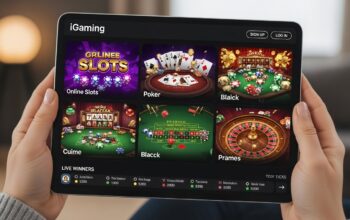

The world of gambling has undergone a dramatic transformation over the past few decades. What was once a traditional pastime limited to brick-and-mortar casinos and racetracks has now evolved into a massive digital industry, known as iGaming. This sector includes online gambling activities such as sports betting, online casinos, poker, and eSports betting, all of which have seen explosive growth. In this blog post, we explore the rise of iGaming, its impact on the gambling landscape, and what the future holds for this rapidly expanding industry.
What is iGaming?
iGaming, short for “internet gaming,” refers to gambling activities that take place over the internet. It encompasses a broad range of gaming experiences, including online slots, table games like poker and blackjack, sports betting, and even the relatively new phenomenon of eSports wagering. iGaming platforms allow users to participate in gambling activities from the comfort of their homes, eliminating the need to travel to a physical casino. This accessibility has made iGaming one of the fastest-growing sectors in the global entertainment industry.
Why iGaming is Booming
The explosion in iGaming’s popularity can be attributed to several key factors. First and foremost, technology has played a critical role. The widespread availability of high-speed internet, mobile devices, and advanced gaming software has made online gambling easier and more engaging than ever. With a few clicks, players can access a variety of games, enjoy live dealer experiences, and participate in real-time betting events.
Another driving factor is the convenience that iGaming offers. Unlike traditional casinos, players are not bound by location or operating hours. Whether you’re at home, on the go, or traveling, the opportunity to place bets or spin a virtual slot machine is always within reach. This accessibility has drawn millions of players from around the world, expanding the iGaming market to unprecedented levels.
The Role of Regulation and Legislation
As the iGaming industry continues to grow, regulation has become an essential component of its development. Different countries have approached online gambling in various ways, with some embracing it as a legitimate form of entertainment and others placing strict legal restrictions on it. In jurisdictions where iGaming is regulated, operators must obtain licenses to ensure fair play, player protection, and responsible gambling practices. This regulatory framework helps to prevent fraud, protect users’ data, and promote transparency within the industry.
Countries like the United Kingdom and certain states in the United States, including New Jersey and Pennsylvania, have adopted comprehensive legal frameworks that govern online gambling. These regulations not only protect consumers but also help generate tax revenue, which can be used to fund public services and initiatives. As iGaming continues to expand globally, it is expected that more countries will introduce regulations to create safer and more secure environments for players.
The Popularity of Online Casinos and Sports Betting
While iGaming covers a variety of gambling activities, online casinos and sports betting are among the most popular segments of the industry.
Online Casinos
Online casinos have brought traditional casino games into the digital world, offering players an array of games, including slots, roulette, poker, and blackjack. These games are often powered by cutting-edge technology, with features like realistic graphics, sound effects, and even live-streamed dealers to replicate the authentic casino experience. The rise of mobile gaming has also played a significant role in this growth, with players able to access their favorite casino games on smartphones and tablets.
Many online casinos also offer welcome bonuses, loyalty programs, and promotions to attract and retain players, further fueling the industry’s expansion. Moreover, the incorporation of advanced payment methods such as e-wallets and cryptocurrencies has made transactions faster and more secure, adding another layer of convenience for players.
Sports Betting
Sports betting has always been a popular form of gambling, but iGaming has taken it to new heights. Online sportsbooks allow users to place bets on a variety of sports, including football, basketball, tennis, and even niche events like eSports tournaments. The ability to bet on sports events in real-time, with live odds and statistics, has made the experience more engaging for players. In-play betting, where users can place wagers while a game is happening, has become a particularly popular feature.
The legalization of sports betting in several states in the United States has fueled the growth of the iGaming sector, as millions of sports fans now have easy access to legal platforms to place bets on their favorite teams and events.
The Emergence of eSports Betting
One of the newest and most exciting developments in the iGaming world is the rise of eSports betting. eSports, or competitive video gaming, has become a multi-billion-dollar industry, with millions of fans watching players compete in games like League of Legends, Dota 2, and Counter-Strike: Global Offensive. eSports betting allows players to place wagers on the outcome of these high-stakes tournaments, making it an attractive alternative to traditional sports betting.
The rapid growth of eSports as a mainstream form of entertainment has opened up new opportunities for both players and bookmakers. Major betting platforms now offer odds on eSports matches, and dedicated eSports betting websites have emerged to cater specifically to this market.
The Future of iGaming
The future of iGaming looks incredibly bright, with many exciting trends and innovations on the horizon. One of the most notable developments is the growing use of virtual reality (VR) and augmented reality (AR) technology. These immersive technologies have the potential to revolutionize online gaming by offering players an even more realistic and engaging experience. Imagine entering a fully realized virtual casino or attending an eSports event in VR, where you can interact with other players and experience the action up close.
Another emerging trend is the integration of blockchain technology and cryptocurrencies into the iGaming world. Many online casinos and betting platforms are beginning to accept digital currencies like Bitcoin and Ethereum, offering players greater privacy and faster transactions. Blockchain also ensures transparency and fairness, which could further enhance trust and security in the industry.
Responsible Gaming and the iGaming Industry
As the iGaming sector continues to grow, there is an increasing focus on promoting responsible gambling practices. Many online gambling platforms now offer tools that allow players to set limits on their deposits, bets, and gaming time. Additionally, self-exclusion programs and access to support for problem gambling are becoming standard features of reputable iGaming platforms. By emphasizing responsible gaming, the industry is taking steps to ensure that gambling remains a fun and enjoyable activity for all players, without leading to harmful consequences.
Conclusion
iGaming has emerged as one of the most innovative and dynamic industries in the world, transforming the way people engage with gambling. With its blend of convenience, technology, and entertainment, it’s no surprise that more and more people are turning to online platforms to place bets, play casino games, and participate in sports wagering. As the industry continues to evolve, iGaming will undoubtedly play a major role in shaping the future of digital entertainment, offering new experiences, opportunities, and challenges for players worldwide.
The ongoing integration of new technologies, coupled with increased regulation and a focus on responsible gaming, ensures that iGaming will continue to thrive while maintaining a safe and enjoyable environment for players. Whether you are a seasoned gambler or a newcomer exploring the world of online gaming, the rise of iGaming represents an exciting frontier in the world of entertainment.