
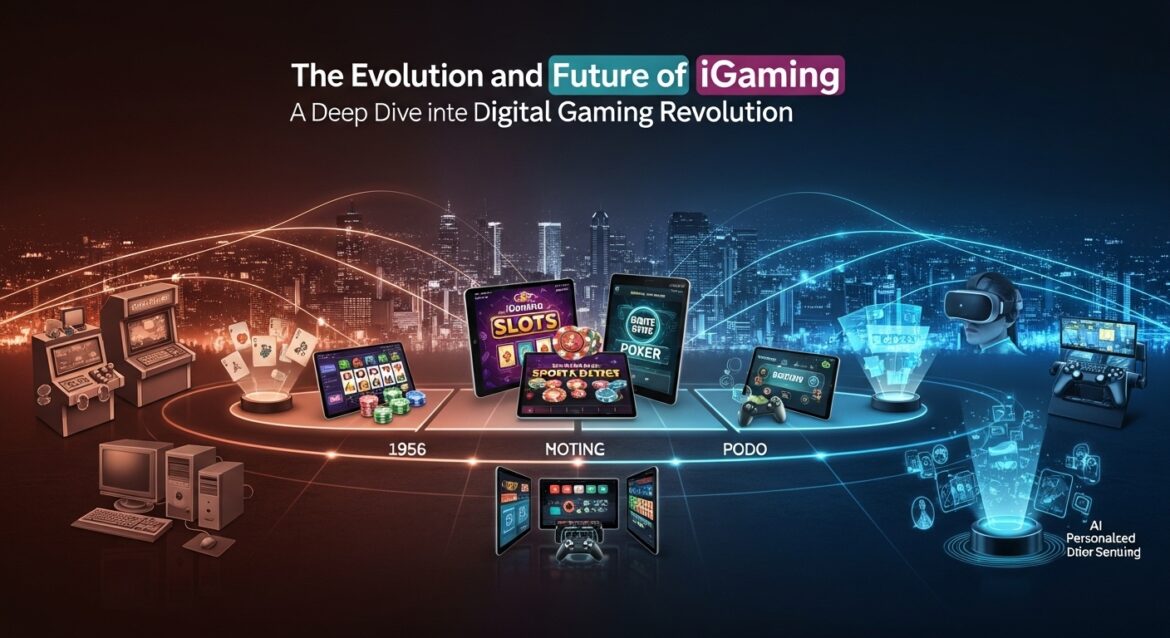
In recent years, iGaming has transformed the entertainment industry, emerging as one of the most dynamic sectors globally. The term “iGaming” broadly refers to online gaming activities that involve wagering or betting, ranging from online casinos, poker, sports betting, bingo, and other skill-based games. This digital revolution has reshaped the way people interact with gaming, offering convenience, accessibility, and a wide variety of experiences previously unimaginable.
Understanding iGaming
At its core, iGaming merges technology and gambling, allowing players to engage in traditional gambling activities through online platforms. Unlike traditional land-based casinos, iGaming provides users with the flexibility to play from anywhere at any time, using desktops, laptops, or mobile devices. This convenience has been a key driver of the industry’s exponential growth.
iGaming also introduces innovative game formats, integrating elements of technology such as live streaming, virtual reality, and gamification. These innovations create immersive experiences that mimic, and in some cases surpass, the excitement of physical casinos.
Historical Context of iGaming
To understand iGaming today, it is essential to trace its evolution. The first online gambling websites appeared in the mid-1990s, coinciding with the expansion of the internet. These early platforms offered basic games like blackjack and poker. Despite technological limitations, they set the foundation for what would eventually become a thriving global industry.
In the early 2000s, the sector experienced significant growth. Improved internet connectivity, the proliferation of personal computers, and advancements in secure online payment systems enabled operators to attract more players. This period also saw the emergence of online poker as a cultural phenomenon, with televised tournaments and online platforms creating new opportunities for enthusiasts.
Legal and Regulatory Landscape
The rapid growth of iGaming has prompted governments worldwide to establish regulatory frameworks to ensure fair play, protect consumers, and prevent illegal activities. Regulations vary significantly by country, with some embracing the industry as a legitimate economic contributor and others imposing strict bans.
Licensing is a crucial aspect of regulation. Reputable iGaming operators are required to obtain licenses from recognized authorities, such as the United Kingdom Gambling Commission, the Malta Gaming Authority, or the Gibraltar Regulatory Authority. Licensing ensures that operators adhere to stringent standards regarding security, fairness, and responsible gaming.
Compliance with anti-money laundering regulations and data protection laws is also a major focus. These measures protect both players and operators, fostering trust in an industry that relies heavily on digital transactions and online identities.
Technological Innovations Driving iGaming
Technology has been the backbone of the iGaming revolution. Several innovations have propelled the industry forward, making online gaming more engaging, secure, and accessible.
Mobile Gaming
Mobile technology has transformed the gaming experience, enabling players to access platforms directly from smartphones and tablets. Mobile-optimized websites and dedicated apps offer smooth gameplay, real-time updates, and convenient payment options. As mobile penetration increases globally, the significance of mobile gaming in the iGaming sector continues to grow.
Live Dealer Games
Live dealer games bridge the gap between online and land-based casinos. These games use high-definition streaming technology to broadcast real-time casino action to players’ devices. Professional dealers host the games, interacting with players through chat features, which creates an immersive and social gaming environment.
Virtual Reality and Augmented Reality
Virtual reality (VR) and augmented reality (AR) are the next frontier in iGaming. VR platforms provide fully immersive 3D casino environments where players can move around and interact with other participants, while AR overlays digital elements on real-world surroundings. These technologies are set to redefine the online gambling experience by offering realistic simulations of casino settings.
Artificial Intelligence and Personalization
Artificial intelligence (AI) enhances the iGaming experience by personalizing gameplay. AI algorithms analyze player behavior to recommend games, optimize betting strategies, and detect signs of problem gambling. AI-powered customer support systems also improve user experience by providing instant assistance.
Popular iGaming Verticals
iGaming is not a monolithic industry; it comprises various segments, each appealing to different player preferences. Understanding these verticals helps explain why the industry has such broad appeal.
Online Casinos
Online casinos offer classic games such as blackjack, roulette, baccarat, and slot machines. The key advantage of online casinos is the sheer variety of game options, including progressive jackpot slots and themed games that cater to different tastes.
Online Poker
Poker is one of the most skill-intensive gambling games, and its online version has attracted a massive following. Online poker platforms offer cash games, tournaments, and even specialized variants like Texas Hold’em or Omaha. Online poker also provides players with the ability to participate in global tournaments from the comfort of their homes.
Sports Betting
Sports betting is a significant segment of iGaming. It allows players to wager on the outcome of various sporting events, from football and basketball to esports and horse racing. Online sportsbooks provide real-time odds, in-play betting options, and sophisticated statistical tools to enhance decision-making.
Bingo and Lottery
Online bingo and lottery games cater to casual players seeking fun and easy gameplay. These games often include social features, such as chat rooms, which make the experience more engaging. Digital lottery platforms also allow players to participate in national and international draws without visiting a physical location.
Economic Impact of iGaming
The iGaming industry has become a major economic driver in several regions. It generates significant revenue, creates employment opportunities, and contributes to tax income. For example, countries with legalized iGaming have seen billions of dollars in annual revenue, much of which is reinvested into local economies.
The industry also stimulates technological innovation. Payment processing systems, cybersecurity solutions, and data analytics tools developed for iGaming often find applications in other sectors, highlighting the broader impact of the industry on the digital economy.
Responsible Gaming and Player Protection
With the growth of iGaming, responsible gaming has become a central focus. Operators are increasingly adopting measures to protect players from gambling-related harm. These include setting deposit limits, offering self-exclusion programs, and providing access to counseling services.
Regulators also mandate responsible gaming initiatives. Transparency in odds, clear terms and conditions, and age verification processes ensure that players are fully informed and protected. Responsible gaming is essential for maintaining trust in the industry and ensuring its long-term sustainability.
Challenges Facing the iGaming Industry
Despite its rapid growth, iGaming faces several challenges.
Regulatory Complexity
Navigating the complex regulatory landscape is a significant challenge for operators, especially those operating across multiple jurisdictions. Compliance with varying legal requirements demands considerable resources and expertise.
Cybersecurity Threats
As a digital-first industry, iGaming is vulnerable to cybersecurity threats. Data breaches, hacking attempts, and fraudulent activities pose risks to both operators and players. Ensuring robust cybersecurity measures is critical to maintaining trust and operational integrity.
Market Saturation
With the proliferation of online platforms, market saturation has become an issue. Operators must differentiate themselves through innovative game offerings, user experience enhancements, and targeted marketing strategies to attract and retain players.
Problem Gambling
The accessibility of online gaming can lead to problem gambling. Industry stakeholders must balance growth with social responsibility, ensuring that players can enjoy gaming safely without developing harmful behaviors.
The Future of iGaming
The future of iGaming is poised for continued growth and innovation. Several trends are likely to shape the industry in the coming years:
Blockchain and Cryptocurrency
Blockchain technology and cryptocurrencies are gradually being integrated into iGaming. Blockchain ensures transparency in transactions and provably fair gaming, while cryptocurrencies offer secure and fast payment methods, appealing to a tech-savvy audience.
Gamification
Gamification elements, such as achievements, leaderboards, and rewards, are increasingly used to enhance player engagement. These techniques make online gaming more interactive and enjoyable, encouraging longer and more frequent play sessions.
Expansion into Emerging Markets
Emerging markets present substantial growth opportunities. With rising internet penetration and mobile adoption, regions such as Asia, Africa, and Latin America are becoming key targets for iGaming operators. Tailored strategies that respect local regulations and cultural preferences will be essential for success.
Integration of Esports
Esports betting is rapidly gaining popularity, combining the excitement of competitive gaming with wagering opportunities. The rise of esports as a global entertainment phenomenon opens new revenue streams and attracts younger audiences to the iGaming sector.
Conclusion
iGaming has transformed the landscape of entertainment, offering unprecedented convenience, variety, and immersive experiences. From its early days as a niche online activity to its current status as a global industry, iGaming demonstrates the power of technology to redefine traditional concepts of gaming and gambling.
As the industry continues to evolve, it faces challenges such as regulatory compliance, cybersecurity threats, and the need for responsible gaming measures. However, innovations in technology, expansion into new markets, and the integration of emerging trends like VR, AR, and blockchain position iGaming for continued growth and relevance.
For players, iGaming offers endless opportunities for entertainment, competition, and social interaction, all accessible at the click of a button. For operators, it represents a dynamic and lucrative sector that rewards innovation, adaptability, and responsible practices. In the digital age, iGaming is not just a form of entertainment—it is a cultural and economic phenomenon that continues to reshape the way the world plays.