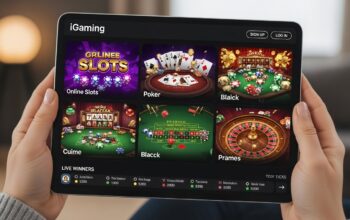

iGaming, the digital form of gambling and interactive betting, has transformed the entertainment industry over the past two decades. From traditional casino games to sophisticated online platforms, iGaming provides a dynamic and accessible form of entertainment for millions of players worldwide. Combining technology, strategy, and user experience, iGaming is more than gambling—it is a form of digital leisure, social interaction, and cultural engagement. This blog explores the evolution, technological innovations, social impact, and future of iGaming.
The Origins of iGaming
The roots of iGaming can be traced back to the early days of digital technology. While traditional gambling has existed for centuries, the transition to digital platforms began in the late 1990s with the advent of online casinos and poker rooms. Early iGaming platforms were simple and limited in functionality, but they provided a new level of accessibility, allowing players to enjoy casino games from home.
Games such as online slots, poker, and roulette became the first major attractions. These digital platforms replicated traditional casino experiences while adding convenience, anonymity, and the ability to play anytime. The early adoption of online payment systems and basic interactive interfaces laid the foundation for the expansion of the iGaming industry.
Technological Advancements in iGaming
Technology has been central to the growth of iGaming. Advances in internet speed, graphics, and software design have allowed developers to create highly immersive and interactive experiences. Modern iGaming platforms use advanced graphics, sound effects, and animations to simulate real-world casino environments.
Mobile technology has further expanded access to iGaming. Smartphones and tablets enable players to enjoy games on the go, making digital gambling more convenient than ever. Secure payment methods, two-factor authentication, and encrypted transactions have increased trust and safety, attracting more users to online platforms.
Popular Games in iGaming
iGaming offers a wide variety of games, catering to different preferences and skill levels. Online slots remain one of the most popular forms, combining simplicity with engaging visuals and themes. Poker, both in cash games and tournaments, has a large global following, appealing to players who enjoy strategy and skill.
Other popular offerings include blackjack, roulette, baccarat, and bingo. Many platforms also provide live dealer games, where real dealers host games via high-definition streaming. This format blends digital convenience with the social interaction and excitement of traditional casinos.
The Role of Regulation and Licensing
Regulation plays a crucial role in the iGaming industry. Legal frameworks vary by country and region, but licensing ensures that platforms operate fairly, securely, and transparently. Regulated iGaming operators adhere to strict rules for player protection, responsible gambling, and financial integrity.
Licensing authorities monitor operators to prevent fraud, underage gambling, and unethical practices. Regulations also establish fair gaming standards, ensuring that random number generators and betting outcomes are reliable. By maintaining trust and credibility, regulation supports sustainable growth and player confidence in the iGaming sector.
iGaming as a Social Experience
iGaming is not just about solitary play; it also offers social interaction. Many online poker rooms, multiplayer slots, and live dealer games allow players to communicate, compete, and share experiences in real time. Leaderboards, tournaments, and chat features foster community engagement and friendly competition.
Social elements enhance player engagement and retention. Gamified features such as achievements, rewards, and loyalty programs provide additional motivation and entertainment. In this way, iGaming combines digital interaction with traditional gaming excitement, creating a hybrid form of social entertainment.
Responsible Gambling and Player Protection
While iGaming offers entertainment and excitement, responsible gambling is a critical aspect of the industry. Platforms are increasingly implementing tools and resources to promote safe play. These include self-exclusion options, deposit limits, reality checks, and access to support for problem gambling.
Education and awareness are key to maintaining a healthy gaming environment. Players benefit from understanding the risks of gambling, managing their behavior, and balancing entertainment with personal well-being. Responsible gaming practices protect individuals and support the long-term sustainability of the iGaming industry.
The Economic Impact of iGaming
The iGaming industry has a significant economic footprint. It generates substantial revenue through player spending, platform subscriptions, and advertising. Employment opportunities span software development, customer support, marketing, content creation, and regulatory compliance.
Moreover, iGaming stimulates technological innovation, driving advancements in mobile applications, secure payment systems, and immersive digital experiences. The growth of iGaming contributes to local and global economies, attracting investment and fostering competition in the broader digital entertainment market.
Technological Innovations Shaping iGaming
Recent technological innovations continue to redefine the iGaming experience. Virtual reality (VR) and augmented reality (AR) create immersive environments that replicate the physical casino experience. Players can explore virtual casinos, interact with digital dealers, and participate in live events without leaving their homes.
Artificial intelligence (AI) is used for personalized recommendations, fraud detection, and enhancing user experiences. Machine learning algorithms analyze player behavior to offer tailored promotions, game suggestions, and responsible gambling interventions. Blockchain technology is also emerging in iGaming, ensuring transparency, security, and provably fair gameplay in certain platforms.
Mobile Gaming and Accessibility
Mobile technology has revolutionized iGaming by providing unprecedented accessibility. Players can access games anytime and anywhere, transforming digital gambling into a highly convenient form of entertainment. Mobile apps are designed to be user-friendly, responsive, and secure, catering to both casual and experienced players.
The rise of mobile iGaming has expanded global participation. People from regions without physical casinos can now engage in gambling, broadening the industry’s reach and increasing cultural and economic impact. Mobile accessibility ensures that iGaming remains adaptable to changing lifestyles and technological trends.
Social and Cultural Impact
iGaming has become a cultural phenomenon, influencing media, social interaction, and entertainment trends. Online communities form around shared gaming experiences, tournaments, and live events. Content creators, streamers, and influencers further shape the culture, providing entertainment, guidance, and engagement for global audiences.
The integration of social features and gamification encourages collaboration and friendly competition, creating a shared sense of community among players. iGaming has evolved beyond gambling, becoming a digital social platform that combines entertainment, interaction, and leisure in a single experience.
Challenges and Considerations in iGaming
Despite its growth, iGaming faces challenges. Regulatory compliance is complex, with laws varying across regions, requiring operators to adapt continuously. Maintaining security and preventing fraud are ongoing concerns, necessitating investment in technology and monitoring.
Player welfare is another critical challenge. Addiction, irresponsible spending, and psychological impacts require proactive strategies, including education, monitoring, and access to support services. Balancing engagement, profitability, and player protection is key to sustainable development in the iGaming industry.
The Future of iGaming
The future of iGaming is poised for continued innovation and expansion. Emerging technologies such as VR, AR, AI, and blockchain will enhance interactivity, security, and personalization. Platforms are likely to offer increasingly immersive and engaging experiences, blending digital convenience with real-world casino excitement.
Integration with mobile platforms, streaming services, and social media will further expand audience engagement. Gamification, esports-style tournaments, and live events will continue to attract younger, tech-savvy demographics. The industry is evolving into a comprehensive digital entertainment ecosystem, combining skill, strategy, and social interaction.
Conclusion
iGaming has transformed the way people engage with gambling and digital entertainment. It combines accessibility, technology, social interaction, and immersive experiences, creating a dynamic and engaging form of leisure. The industry has grown from simple online casino games to sophisticated platforms offering diverse games, responsible gambling tools, and global connectivity.
As technology advances and regulations adapt, iGaming will continue to redefine entertainment, blending innovation, community, and excitement. It is more than a pastime—it is a cultural, economic, and technological force shaping the future of digital leisure. With careful management, responsible practices, and ongoing innovation, iGaming is poised to remain a leading form of interactive entertainment for years to come.