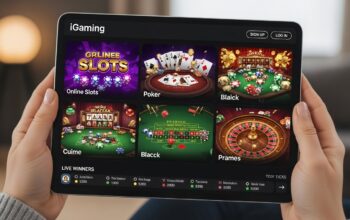

Online gambling, commonly referred to as iGaming, has become one of the most dynamic sectors in the global entertainment industry. What started as a niche market in the 1990s has now expanded into a multi-billion-dollar global industry. Whether it’s betting on sports, playing online poker, or enjoying virtual casino games, the world of iGaming is vast, rapidly growing, and increasingly innovative. This blog post will explore the evolution of iGaming, its key drivers of growth, and how the latest trends are shaping its future.
What is iGaming?
iGaming refers to any type of gambling or gaming activity that takes place over the internet. Unlike traditional gambling, which takes place at physical casinos or betting shops, iGaming provides players with the ability to engage in a variety of gambling activities from the comfort of their homes or on-the-go using mobile devices. This includes online poker, sports betting, casino games such as slots and roulette, bingo, and even virtual sports.
The increasing popularity of iGaming can be attributed to several factors, including convenience, technological advancements, and the wide variety of games available. The global accessibility of the internet and the ability to gamble at any time, from any place, have revolutionized the gambling industry, giving rise to a new era of online entertainment.
The Early Days of iGaming
The history of iGaming dates back to the 1990s when the internet was first emerging as a mainstream technology. The first real online casino was launched in 1994 by Microgaming, one of the leading game developers in the iGaming sector. This early platform offered a small selection of games and was limited to only a few countries where online gambling was legally allowed.
One of the first significant milestones in the development of iGaming came in 1996 when the Kahnawake Gaming Commission was established in Canada. This was one of the first regulatory bodies for online gambling, providing legal oversight and ensuring the fairness of online casinos. The establishment of regulatory frameworks in various jurisdictions laid the foundation for the growth of iGaming over the following decades.
By the early 2000s, online poker began to gain traction. The launch of platforms like PokerStars and PartyPoker brought online poker into the mainstream, and it quickly became one of the most popular forms of iGaming. The online poker boom was further fueled by televised tournaments and the introduction of the “Moneymaker Effect,” named after Chris Moneymaker, who won the 2003 World Series of Poker (WSOP) after qualifying through an online satellite tournament.
Technological Advancements Driving iGaming
The growth of iGaming has been closely tied to technological advancements. Over the years, various innovations have improved both the player experience and the efficiency of online gambling platforms. Here are a few key technological advancements that have shaped the iGaming industry:
1. Mobile Gaming: Revolutionizing the Gambling Experience
One of the most significant changes in the iGaming industry over the last decade has been the rise of mobile gaming. With the proliferation of smartphones and tablets, online gambling has become more accessible than ever. Players can now place bets, play casino games, or enter poker tournaments from virtually anywhere with an internet connection.
Operators have responded by optimizing their platforms for mobile devices. Many now offer mobile apps or responsive websites that allow players to enjoy their favorite games seamlessly across different devices. Mobile gaming has helped expand the reach of iGaming, especially among younger demographics who may prefer to gamble on their smartphones rather than on desktop computers.
2. Live Dealer Games: Bringing the Casino to Your Home
Live dealer games have been another significant development in the iGaming world. These games use video streaming technology to allow players to interact with live dealers in real-time. Players can watch the dealer shuffle cards or spin a roulette wheel, creating a more authentic experience compared to traditional online casino games, which rely on random number generators (RNGs).
Live dealer games have bridged the gap between land-based casinos and online platforms, offering a more immersive and social experience. This innovation has been particularly popular among players who miss the social aspect of physical casinos but prefer the convenience of playing from home.
3. Blockchain and Cryptocurrency: Enhancing Transparency and Security
The rise of cryptocurrencies, such as Bitcoin and Ethereum, has had a transformative effect on the iGaming industry. Cryptocurrency transactions are faster, more secure, and offer greater anonymity compared to traditional payment methods. This has made cryptocurrencies an attractive option for players who value privacy and want to avoid the potential complications associated with bank transfers or credit card payments.
In addition to providing an alternative payment method, blockchain technology has been used to enhance the transparency and fairness of online games. Some iGaming operators use blockchain to create provably fair games, allowing players to verify the randomness of game outcomes. This level of transparency helps build trust with players and has the potential to revolutionize the way games are developed and played.
Key Trends in iGaming
As the iGaming industry continues to evolve, several emerging trends are shaping its future. These trends include the increasing popularity of esports betting, the gamification of iGaming platforms, and the integration of artificial intelligence (AI) to enhance personalization.
1. Esports Betting: A New Frontier for iGaming
Esports, or competitive video gaming, has exploded in popularity over the last few years. As esports events attract millions of viewers worldwide, they have become a major focus for iGaming operators. Esports betting, which allows players to wager on the outcomes of competitive gaming tournaments, has become one of the fastest-growing segments of the online gambling industry.
Esports betting has garnered a dedicated fan base, particularly among younger players who are familiar with the world of video games. As more esports tournaments are broadcasted globally, the potential for this sector to grow further is enormous. Operators are offering a wide range of betting options for esports, including match winner bets, prop bets, and even in-play betting for live events.
2. Gamification: Making Gambling More Engaging
Gamification refers to the incorporation of game-like elements, such as rewards, challenges, and achievements, into non-gaming environments. In the iGaming industry, gamification has become a powerful tool for increasing player engagement and loyalty. Many online casinos and sportsbooks now offer loyalty programs, where players earn points or rewards for regular play. These points can be redeemed for bonuses, free spins, or even physical prizes.
Gamification can also involve integrating features like leaderboards, achievements, and progress tracking. By making the gambling experience more interactive and competitive, gamification keeps players engaged and encourages them to return for more.
3. Artificial Intelligence: Personalizing the Player Experience
Artificial intelligence (AI) is being increasingly integrated into iGaming platforms to enhance the player experience. AI can be used in a variety of ways, from personalizing game recommendations to detecting fraudulent behavior. By analyzing player data, AI algorithms can suggest games based on a player’s past preferences, making the experience more enjoyable and tailored to individual tastes.
AI is also being used to improve customer service, with many iGaming platforms now offering AI-powered chatbots that can respond to player inquiries instantly. These AI chatbots can help players resolve issues, answer questions, and even provide personalized gaming tips.
The Regulatory Landscape of iGaming
As iGaming continues to grow, regulators worldwide are grappling with how to govern the industry effectively. While some countries, such as the UK and Malta, have well-established regulatory frameworks, others are still in the process of developing laws to govern online gambling. In the United States, for example, online gambling is subject to state-by-state regulation, leading to a complex legal landscape.
One of the key challenges facing regulators is ensuring that iGaming remains fair, transparent, and safe for players. Many jurisdictions require operators to obtain licenses and adhere to strict anti-money laundering (AML) and responsible gambling practices. Operators are also expected to ensure that their games are fair, with independent testing and certification bodies verifying the randomness of outcomes.
The Future of iGaming
The future of iGaming looks incredibly promising. As technology continues to advance, new innovations will continue to shape the landscape of online gambling. Some of the potential future trends include:
- Virtual Reality (VR) Casinos: VR technology has the potential to create fully immersive gambling experiences. Players could step into virtual casinos, interact with dealers and other players, and experience a level of realism never before possible in online gambling.
- Blockchain Games: Blockchain-based casinos could become more mainstream, offering players greater control over their funds and access to a wider variety of provably fair games.
- Social Gaming: With the rise of social media and multiplayer gaming, we may see more social gaming experiences integrated into iGaming platforms, allowing players to compete with friends and share their experiences in real time.
Conclusion
The iGaming industry is undergoing rapid growth, driven by technological advancements, changing consumer preferences, and evolving regulatory frameworks. As new technologies like mobile gaming, live dealer games, and cryptocurrencies continue to reshape the way players interact with online gambling platforms, the future of iGaming is brighter than ever. With emerging trends like esports betting, gamification, and artificial intelligence, the landscape of online gambling will continue to evolve, offering exciting opportunities for both operators and players alike. Whether you’re a casual player or a seasoned gambler, the future of iGaming promises to be filled with innovation and endless possibilities.