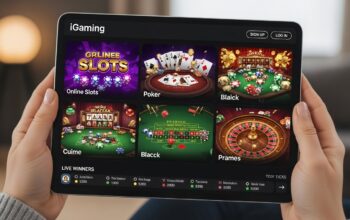

The rise of iGaming has transformed the global entertainment landscape, reshaping how people interact with games of chance, skill, and strategy. What was once limited to physical casinos and betting shops has now moved into the digital realm, offering players around the world the opportunity to engage in gambling, sports betting, and online gaming from the comfort of their homes or on the go. The iGaming industry has grown into a multibillion-dollar powerhouse, driven by technological innovation, consumer demand, and evolving cultural acceptance. In this comprehensive blog, we will explore the evolution of iGaming, its technological foundations, its impact on society and the economy, and what the future holds for this rapidly growing sector.
The Origins of iGaming
The concept of iGaming began to take shape in the mid-1990s when the internet started becoming more accessible to the public. The first online casino launched in 1994, marking the beginning of a new era in gambling. Players could now enjoy classic casino games like blackjack, roulette, and poker without having to travel to a physical location.
These early platforms were simple and often limited in design and functionality, but they represented a significant shift in how people perceived gambling. The combination of convenience, accessibility, and digital technology opened doors to a broader audience. As internet connections improved and online payment systems became more secure, the popularity of iGaming grew rapidly.
During the late 1990s and early 2000s, more operators entered the market, offering a variety of games and betting options. The competition spurred innovation, leading to improvements in user experience, game quality, and customer service. What started as an experimental concept soon evolved into one of the most lucrative entertainment industries in the world.
The Growth and Globalization of iGaming
By the early 2000s, iGaming had become a global phenomenon. The rapid expansion of internet infrastructure and the widespread use of personal computers contributed to the industry’s growth. Players from different parts of the world could participate in online casinos, poker rooms, and sports betting platforms.
Regulatory frameworks began to take shape as governments recognized both the economic potential and the need for oversight in the digital gambling space. Countries such as Malta, Gibraltar, and the Isle of Man established themselves as hubs for iGaming licensing and regulation. This provided legitimacy to the industry and gave players confidence that their funds and data were secure.
At the same time, software providers started to emerge as key players in the ecosystem. Companies specializing in game development and casino technology began to dominate the market, providing innovative products that enhanced player engagement. High-quality graphics, realistic sound effects, and immersive gameplay became hallmarks of successful platforms.
The globalization of iGaming was further accelerated by advancements in mobile technology. As smartphones and tablets became more powerful and affordable, operators developed mobile-friendly platforms that allowed users to gamble anywhere, anytime. Mobile gaming soon accounted for a large share of iGaming revenue, reflecting a major shift in player behavior.
Understanding the iGaming Ecosystem
The iGaming industry is vast and diverse, encompassing various forms of online gambling and gaming. Some of the key components include:
1. Online Casinos:
Online casinos offer digital versions of traditional casino games like slots, roulette, blackjack, and baccarat. They feature both software-based games and live dealer options, where players can interact with real dealers via video streaming.
2. Sports Betting:
Online sports betting platforms allow users to place wagers on a wide range of sporting events, from football and basketball to horse racing and esports. These platforms use real-time data and analytics to offer competitive odds and betting options.
3. Poker and Card Games:
Online poker rooms have been a major driver of iGaming’s popularity. Players can join virtual tables and compete against others from around the world, with both cash games and tournaments available.
4. Esports Betting:
The rise of competitive gaming has given birth to esports betting, where users can place bets on tournaments and matches involving popular games like League of Legends, Dota 2, and Counter-Strike.
5. Lottery and Bingo:
Digital versions of lottery and bingo have also gained traction, providing casual players with simple yet entertaining gaming options.
Each of these sectors has its own audience, regulatory requirements, and revenue models, but together they form a dynamic and interconnected ecosystem that continues to expand.
The Technology Behind iGaming
Technology is at the core of iGaming’s success. Several technological innovations have shaped the way online gambling operates and continues to evolve.
1. Random Number Generators (RNGs):
RNG technology ensures that outcomes in digital games like slots or roulette are completely random and fair. This is essential for maintaining trust and integrity in online casinos.
2. Secure Payment Systems:
The development of encrypted payment gateways and digital wallets has made it easier and safer for players to deposit and withdraw funds. Multiple payment methods, including credit cards, e-wallets, and cryptocurrencies, cater to different user preferences.
3. Live Streaming:
Live dealer games rely on high-quality video streaming to replicate the experience of a real casino. Players can interact with dealers and other participants, creating a more authentic and social environment.
4. Artificial Intelligence and Data Analytics:
AI and data analytics are used to enhance player experience, detect fraud, and promote responsible gambling. Operators analyze player behavior to personalize content, offer bonuses, and prevent problem gambling.
5. Blockchain Technology:
Blockchain has introduced transparency and decentralization to the iGaming industry. It enables verifiable transactions, fair play, and the use of cryptocurrencies for betting. Smart contracts can also automate payouts and ensure compliance.
6. Mobile Gaming:
Mobile technology has made gaming more accessible than ever before. Optimized interfaces, lightweight apps, and cross-platform compatibility have helped attract millions of mobile players.
These technologies work together to create a seamless and secure experience that appeals to both casual and professional players alike.
Regulation and Licensing in iGaming
Regulation plays a crucial role in shaping the iGaming industry. Because online gambling involves real money, governments and regulatory bodies have developed frameworks to ensure fairness, transparency, and player protection.
Licensing authorities oversee the operations of iGaming companies, ensuring they meet strict standards for security, data protection, and responsible gambling. Some of the most reputable jurisdictions for licensing include Malta, the United Kingdom, Gibraltar, and Curacao.
Regulations also help prevent money laundering and underage gambling. Operators are required to implement Know Your Customer (KYC) and Anti-Money Laundering (AML) procedures to verify player identities and transactions.
Compliance with regulatory standards not only ensures legal operation but also builds trust among players. Licensed platforms are seen as more credible and reliable, which helps the industry maintain a positive reputation.
However, regulation varies significantly from one region to another. While some countries fully embrace and regulate online gambling, others impose restrictions or outright bans. This creates a complex landscape that operators must navigate carefully to expand globally.
The Economics of iGaming
The iGaming industry contributes billions of dollars to the global economy each year. It generates revenue through various streams, including player wagers, advertising, sponsorships, and affiliate marketing.
Online casinos and betting platforms use sophisticated marketing strategies to attract and retain players. Bonuses, loyalty programs, and VIP rewards are common tools for maintaining engagement.
In addition to direct revenue, iGaming creates jobs in software development, customer service, cybersecurity, and digital marketing. It also drives technological innovation, particularly in payment systems and data analytics.
Tax revenues from licensed operators support public services and economic growth in many countries. Some governments actively promote iGaming as a legitimate and profitable industry, while others remain cautious due to social and ethical concerns.
The competitive nature of the market has also encouraged mergers and acquisitions, as companies seek to expand their portfolios and global reach. The result is a dynamic industry that continues to evolve both economically and technologically.
The Rise of Responsible Gaming
As iGaming continues to grow, so does the importance of responsible gambling. Operators are increasingly focused on creating safe and sustainable gaming environments.
Responsible gaming initiatives include tools that allow players to set deposit limits, self-exclude, or monitor their spending habits. Artificial intelligence is used to detect signs of problem gambling and intervene before behavior becomes harmful.
Education and awareness campaigns also play a key role in promoting responsible gaming. Players are encouraged to view gambling as entertainment rather than a means of income.
Regulators and advocacy groups collaborate with operators to ensure that ethical standards are maintained. This balance between profitability and social responsibility is crucial for the industry’s long-term sustainability.
iGaming and the Social Experience
One of the most interesting developments in iGaming is the rise of social interaction. Players are no longer just competing against the computer—they are engaging with real people around the world.
Live dealer games, multiplayer poker rooms, and social betting platforms foster a sense of community. Chat features and live events create shared experiences that resemble real-world casino environments.
Social gaming platforms, which combine gambling mechanics with casual play, have also become popular. They offer entertainment without real-money stakes, allowing players to enjoy the thrill of gaming without financial risk.
Streaming platforms and influencers have contributed to the social aspect of iGaming as well. Viewers can watch live games, tournaments, and betting events while interacting with streamers and other fans.
This social dimension adds depth and excitement to the iGaming experience, transforming it from a solitary pastime into a shared cultural activity.
The Future of iGaming
The future of iGaming is filled with innovation and potential. Emerging technologies such as virtual reality (VR) and augmented reality (AR) are expected to revolutionize the way people experience online gambling. Players will be able to step into immersive virtual casinos, interact with dealers and other players, and enjoy a truly lifelike experience.
Artificial intelligence will continue to enhance personalization, adapting games and promotions to individual preferences. Blockchain technology will further increase transparency and security, making transactions faster and more trustworthy.
Esports betting and skill-based gaming will attract younger audiences who prefer interactive and competitive experiences. The integration of gamification elements will make traditional gambling more engaging and rewarding.
As internet connectivity expands globally, new markets will emerge, especially in regions like Africa, Asia, and Latin America. The combination of mobile technology and regulatory reform will bring iGaming to millions of new players.
Sustainability and ethical practices will remain a priority, as the industry seeks to balance growth with social responsibility. Operators that invest in innovation, compliance, and player well-being will be best positioned to succeed in the evolving landscape.
Conclusion
iGaming has come a long way since the first online casino appeared in the 1990s. What began as a digital experiment has become one of the most influential sectors in modern entertainment. With continuous advancements in technology, regulation, and user experience, iGaming has redefined how people engage with games of chance and skill.
It has transcended borders, connecting millions of players across the globe through shared experiences, competition, and excitement. The fusion of innovation and entertainment ensures that the iGaming industry will continue to thrive in the years ahead.
As we look to the future, one thing is certain: iGaming is not just about playing or betting—it is about the evolution of entertainment itself. It embodies the power of technology to bring people together, create opportunities, and redefine what it means to play in the digital age.