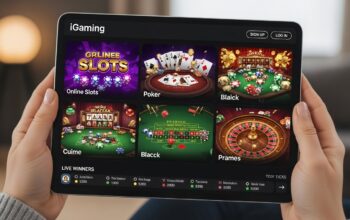

The world of online gaming has come a long way since its inception. What began as simple text-based games and basic slot machines has evolved into an immersive digital experience that spans across various genres, offering players a new level of excitement, convenience, and rewards. Today, iGaming has transformed into a global industry, drawing millions of players from all corners of the world. This blog delves into the evolution of iGaming, its rise to prominence, and what the future holds for this booming sector.
The Beginnings of iGaming: A Digital Playground
In the early days of the internet, online gaming was relatively simplistic. The first iGaming platforms emerged in the mid-1990s, offering basic casino games like blackjack and roulette, as well as a handful of poker tables. At that time, online gambling faced numerous challenges, including a lack of regulation, slow internet speeds, and limited game variety.
Despite these obstacles, the appeal of playing casino games from the comfort of one’s home started to gain traction. The introduction of secure payment methods and the advent of more sophisticated gaming software eventually set the stage for iGaming’s growth. By the early 2000s, iGaming was beginning to emerge as a legitimate industry, attracting players and investors alike.
The Rise of Mobile Gaming: iGaming on the Go
One of the key turning points in the iGaming industry was the rise of mobile gaming. With the widespread adoption of smartphones and tablets, gaming developers began to focus on creating mobile-friendly versions of their popular titles. This allowed players to access their favorite games anywhere, anytime, without being tied to a desktop computer.
Mobile casinos, sports betting apps, and real-money gaming platforms quickly became mainstream, with many operators developing apps that were specifically designed to enhance the mobile gaming experience. The mobile revolution not only made iGaming more accessible but also opened up new avenues for game development. Developers began to optimize their titles for smaller screens, create intuitive interfaces, and integrate advanced features like live streaming of casino games and sports events.
A New Era of Casino Games: From Slots to Live Dealers
While traditional casino games like blackjack, poker, and roulette remain popular in the iGaming world, the industry has diversified with a host of new game formats that cater to a wide range of players. Video slots, progressive jackpots, and skill-based games have attracted both casual players and high rollers alike. These games are often loaded with special features, bonus rounds, and innovative themes that keep players engaged.
In addition to the evolution of slot games, live dealer games have been a game-changer for the iGaming industry. Live casinos bring the real-world casino experience directly to players’ screens, allowing them to interact with professional dealers in real-time. These games, which include live blackjack, live roulette, and live baccarat, have become a massive hit due to the social interaction they offer, as well as the immersive, authentic atmosphere they create.
Live dealer games combine the best of both worlds—traditional brick-and-mortar casinos and the convenience of online gaming.
Sports Betting in the Digital Age
Another significant development in the iGaming space is the explosive growth of online sports betting. The combination of advancements in technology and the liberalization of gambling laws in various regions has led to the rapid expansion of sports betting markets worldwide. Bettors can now wager on almost any sport imaginable, from football and basketball to esports and niche events.
The rise of live betting, where players can place bets during the course of a game, has taken sports wagering to new heights. Real-time odds, live streams of events, and in-depth statistics have transformed how fans engage with sports. These features have not only enhanced the betting experience but have also made sports betting more exciting and dynamic for players.
Esports betting has also emerged as a new frontier in online wagering. With the popularity of competitive gaming skyrocketing, betting on esports tournaments has become a multi-billion-dollar industry. Games like League of Legends, Dota 2, and Counter-Strike: Global Offensive have attracted massive audiences, and with them, a growing market for esports-related bets.
Regulatory Landscape: Challenges and Opportunities
While the iGaming industry has grown exponentially, it has faced numerous challenges, particularly in terms of regulation and legality. The gambling landscape varies widely across different countries, with some regions offering fully regulated, licensed markets and others imposing strict bans or restrictions on online gambling.
In regions where iGaming is heavily regulated, operators must adhere to strict rules related to fair play, consumer protection, and responsible gambling. This includes the implementation of age verification, secure payment methods, and transparency in game outcomes. The need for robust regulatory frameworks has given rise to a complex web of licensing bodies and compliance requirements that operators must navigate.
As online gaming continues to grow, there is also a push for the harmonization of regulations across different jurisdictions. This could help reduce the fragmentation of the market and create a more unified, safer, and more efficient environment for players and operators alike.
The Future of iGaming: Innovations and Trends
Looking ahead, the future of iGaming is incredibly promising, with new technologies and trends poised to redefine the industry. One of the most exciting developments is the integration of virtual reality (VR) and augmented reality (AR) into iGaming experiences. VR casinos and immersive gaming environments could revolutionize how players interact with online games, providing a fully interactive and lifelike experience.
Another major trend is the growing focus on responsible gaming. As the popularity of online gambling continues to rise, operators are increasingly incorporating tools and features designed to help players gamble responsibly. This includes self-exclusion options, deposit limits, and access to resources for gambling addiction support.
The rise of blockchain technology and cryptocurrencies also holds significant potential for the iGaming sector. Blockchain could offer players enhanced security, transparency, and faster transactions, while cryptocurrencies like Bitcoin and Ethereum could provide a new method of payment for players worldwide.
Conclusion: iGaming’s Bright Future
The iGaming industry has undergone a remarkable transformation, evolving from humble beginnings to a multi-billion-dollar global sector. As technology continues to advance and new innovations reshape the way players engage with games, the future of iGaming looks brighter than ever. From mobile gaming and live dealer experiences to esports betting and virtual reality, the digital revolution in entertainment is only just beginning. With increasing regulatory efforts and a focus on responsible gaming, iGaming is poised to provide players with safe, enjoyable, and exciting experiences for years to come.