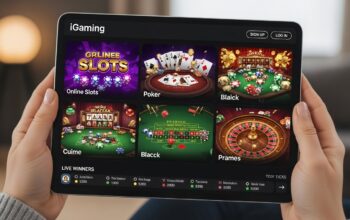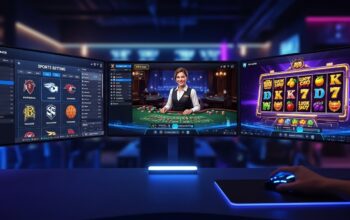

iGaming has rapidly grown from a niche internet hobby into one of the most influential and dynamic sectors of modern entertainment. What began as simple online games has now expanded into a global industry including online casinos, virtual sports, mobile gaming, esports betting, fantasy sports, and interactive live dealer experiences. With digital technology shaping how people play, connect, and compete, iGaming has emerged as a powerful reflection of innovation in entertainment. This blog explores the evolution of iGaming, its impact on global trends, the role of technology, and its future in a world increasingly driven by digital experiences.
Understanding the Concept of iGaming
iGaming refers to any form of online betting or gambling conducted over the internet. This includes online casino games, sports betting, poker rooms, slot games, bingo, fantasy sports, and live dealer experiences. What makes iGaming unique is the combination of entertainment, competition, and interactive technology. Unlike traditional gaming, iGaming allows users to play anytime and anywhere, providing a level of accessibility and convenience unmatched by physical entertainment venues.
The iGaming industry operates across web platforms, mobile apps, and digital devices, giving users multiple ways to engage. Its rapid growth highlights how digital spaces have transformed the very nature of entertainment.
The Early Days of iGaming
The origins of iGaming date back to the mid-1990s, when the internet was still in its infancy. Early online casinos featured basic graphics and limited game offerings, yet the concept attracted players eager to experience digital gaming. As internet speeds improved, so did the quality of online games. By the early 2000s, iGaming platforms began offering poker rooms, digital slot machines, and the first versions of sports betting interfaces.
Though the early platforms were simple, they laid the foundation for a digital revolution. The rise of smartphones, improved internet access, and global connectivity accelerated the industry’s growth, making iGaming a mainstream form of entertainment.
The Expansion of Online Casinos
Online casinos quickly became one of the most popular segments within iGaming. They offered classic games such as blackjack, roulette, poker, and slots, but with added convenience and variety. Players no longer needed to visit physical casinos; instead, they could experience the same excitement from their homes or mobile devices.
Online slots evolved significantly, now featuring enhanced graphics, immersive sound design, bonus features, and thematic storytelling. Modern platforms offer thousands of game variations catering to different player preferences. The ability to play instantly, combined with creative design, has made online casinos a dominant force in digital entertainment.
The Rise of Mobile Gaming in iGaming
Mobile technology transformed the iGaming landscape more than any other innovation. As smartphones became more powerful and widespread, mobile gaming took center stage. Today, a large portion of iGaming activity occurs on mobile apps, allowing players to enjoy games on the go.
Mobile gaming offers convenience, speed, and accessibility. Whether playing a quick slot spin or participating in a live poker game, mobile platforms have created a seamless user experience. The integration of touch controls, high-resolution screens, and fast processing power has made mobile gaming more intuitive and engaging than ever before.
Live Dealer Games: Blending Real and Digital Worlds
One of the most exciting developments in iGaming is the rise of live dealer games. These games use real human dealers broadcasting from professional studios, allowing players to interact in real time. Live games blend the authenticity of a physical casino with the convenience of digital access.
Live roulette, blackjack, baccarat, and game-show-style experiences have become extremely popular. Advanced camera technology, high-quality streaming, and interactive interfaces enhance player engagement, creating an immersive experience that closely mirrors in-person gaming.
Sports Betting in the iGaming Space
Sports betting has always been a major element of entertainment culture, and its move into digital platforms expanded its reach significantly. iGaming platforms now offer real-time betting, virtual sports simulations, predictive analytics, and a variety of sports markets from around the world.
The digital transformation of sports betting has modernized how fans engage with their favorite teams and events. Features such as live odds, in-play betting, and instant statistics create a faster, more interactive experience. Fantasy sports and esports betting have also grown tremendously, showing how closely entertainment and technology are now intertwined.
The Role of Technology in Shaping iGaming
Technology is the driving force behind the growth and evolution of iGaming. Innovations such as cloud computing, artificial intelligence, augmented reality, and blockchain are reshaping how platforms operate and how players interact.
Artificial intelligence improves personalized gaming experiences, recommending games based on user behavior. Augmented reality and virtual reality are introducing new levels of immersion, allowing players to step into virtual casinos or explore interactive environments. Blockchain technology enhances transparency and security, offering new forms of digital transactions and gameplay models.
As technology continues to evolve, the opportunities for innovation in iGaming remain limitless.
User Experience and Interface Design
User experience is crucial in the iGaming industry. Platforms compete to offer the most engaging, intuitive, and visually appealing interfaces. Easy navigation, fast loading times, immersive graphics, and interactive features help create memorable and enjoyable experiences.
Game developers combine psychology with creativity to build games that are both entertaining and rewarding. Whether through vibrant animations, game mechanics, or enhanced audio environments, modern iGaming design focuses on keeping players engaged and entertained.
The Social Side of iGaming
Although online gaming is often viewed as a solitary activity, iGaming has fostered significant social interaction. Multiplayer games, online poker tournaments, live chat features, and social competitions allow players to connect with others around the world.
This sense of community is part of what makes iGaming appealing. Players share experiences, strategies, and challenges, creating global networks of like-minded individuals. Social features also add emotional engagement, turning simple gameplay into connective experiences.
The Economic Impact of the iGaming Industry
The iGaming sector has become a major contributor to global digital economies. It drives technological innovation, creates job opportunities, and fuels growth in software development, cybersecurity, marketing, and digital design. Platforms invest heavily in research and development to stay competitive, pushing technological boundaries further.
Economic benefits extend to related industries such as fintech, telecommunications, and digital advertising. The rapid expansion of iGaming reflects broader trends in digital transformation across global markets.
iGaming and Responsible Gaming Practices
As iGaming continues to grow, responsible gaming has become a central focus. Platforms implement various tools and features to support healthy gaming habits, such as time limits, deposit controls, account monitoring, and self-exclusion options. Many developers prioritize transparency, fairness, and user well-being in their designs.
Education and awareness are also essential components of responsible gaming. Platforms increasingly integrate messaging that encourages balanced play, helping users enjoy entertainment without negative consequences.
Cultural Influence of iGaming
iGaming has influenced modern entertainment culture in significant ways. It has introduced new forms of digital entertainment, shaped online communities, and encouraged the blending of gaming, competition, and social interaction. The popularity of virtual sports, fantasy leagues, and esports betting demonstrates how deeply gaming culture has entered mainstream entertainment.
By connecting players across borders, iGaming promotes cultural exchange and global participation. Its influence can be seen in media, sports, technology, and digital trends around the world.
The Future of iGaming
The future of iGaming is filled with innovation. Virtual reality casinos, AI-driven game customization, cross-platform gaming, and advanced mobile technology are shaping the next generation of experiences. The integration of wearable technology and interactive environments could take digital gaming to unprecedented levels.
The industry will continue to evolve, adapting to new technologies and player preferences. iGaming is not just a trend—it is a long-term cultural shift in how people experience entertainment, competition, and social connection.
Conclusion: A Digital Era of Endless Possibilities
iGaming is more than a digital version of traditional gaming; it is a dynamic world of creativity, innovation, and global connection. It combines technology, entertainment, psychology, and social interaction to create experiences that transcend physical limitations. As technology continues to advance, iGaming will expand even further, offering new forms of engagement and storytelling.
The world of iGaming is a testament to how entertainment evolves alongside human imagination and technological progress. It represents a future where digital expression, community, and interactivity come together to shape the next chapter of global entertainment.