
Introduction
In recent years, the world of gaming has undergone a seismic transformation. No longer confined to physical arcades or living rooms with consoles, the digital landscape of gaming has exploded into a global phenomenon. Central to this evolution is iGaming, a term that encompasses all forms of online betting and gambling, including online casinos, sports betting, poker, esports wagering, and lotteries. With rapid technological advances and increased access to high-speed internet, iGaming has shifted from a niche sector to a mainstream entertainment platform enjoyed by millions of people worldwide. In this blog post, we’ll explore the growth of iGaming, how technology has played a pivotal role in its expansion, and what the future holds for this booming industry.
The Emergence of iGaming: From Traditional to Digital Betting
The roots of iGaming can be traced back to the mid-1990s, when the internet began to gain widespread accessibility. At the time, the concept of online gambling was relatively simple—virtual versions of traditional casino games such as blackjack, roulette, and poker. The first online casinos were launched in 1994, thanks to advancements in encryption technologies that allowed for secure transactions. These platforms were rudimentary compared to today’s standards, but they opened the door to the future of online gaming.
In the years that followed, iGaming platforms gradually evolved as more people embraced the convenience of online entertainment. The growth of broadband internet, the advent of smartphones, and the increasing popularity of digital payment systems created the perfect storm for the rise of online gambling. No longer confined to a physical location, players could now access their favorite games from the comfort of their own homes, or even on the go, with mobile devices.
Technology’s Role in the Growth of iGaming
Technology has been the driving force behind the rapid rise of iGaming. Each new innovation has further enhanced the player experience, creating opportunities for more immersive, interactive, and secure gaming environments. One of the most significant technological advancements has been the development of high-quality graphics and software, which have transformed online gaming into a visually stunning and engaging experience.
High-Definition Graphics and Game Design
Gone are the days of pixelated graphics and basic animations. Today’s online casinos and gaming platforms offer high-definition graphics, realistic animations, and immersive soundscapes that create lifelike experiences. Advanced game engines, such as Unity and Unreal Engine, have enabled developers to craft visually impressive games that rival those found on consoles or in physical casinos.
For example, online slot machines have become more sophisticated, with dynamic themes, engaging bonus features, and interactive storylines. Table games, too, have evolved, offering virtual dealers and 3D environments that simulate the feel of playing in a real casino. The ability to create rich, engaging worlds has made online gambling not only more visually appealing but also more immersive and enjoyable for players.
Mobile Technology: Gaming Anytime, Anywhere
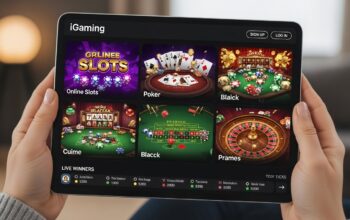
The rise of mobile technology has significantly expanded the reach of iGaming. In the early days of online gaming, players were restricted to accessing games via desktop computers. Today, smartphones and tablets have made it possible to play casino games and place sports bets anytime, anywhere. The development of mobile-friendly gaming apps and websites has allowed iGaming to reach a broader audience, including those who may not have traditionally been interested in gambling but enjoy the convenience and accessibility of mobile gaming.
With mobile apps offering everything from poker and blackjack to live dealer games and esports betting, iGaming platforms have become more accessible than ever before. As smartphones continue to improve in terms of processing power and screen resolution, the mobile gaming experience will only get better.
The Growth of Live Dealer Games and Virtual Casinos
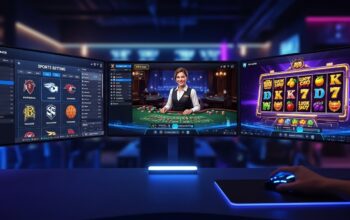
One of the most notable innovations in iGaming has been the rise of live dealer games. These games bridge the gap between online gaming and traditional brick-and-mortar casinos by allowing players to interact with real human dealers in real-time via video streaming technology. Live dealer games offer a more authentic casino experience, with players able to place bets and watch as the dealer deals cards or spins the roulette wheel from a live studio.
Live dealer games have been embraced by players seeking the excitement and authenticity of a physical casino without having to leave home. The technology behind these games ensures seamless video and audio quality, creating a truly immersive environment. In addition to the entertainment factor, live dealer games also introduce a social aspect to online gambling, as players can chat with dealers and fellow participants during gameplay.
The rise of virtual casinos has also complemented the growth of live dealer games. Virtual casinos use cutting-edge technology to simulate a real casino environment, complete with 3D slots, virtual poker tables, and multiplayer options. These digital casinos are designed to replicate the atmosphere of land-based casinos, offering players an authentic gambling experience without the need to travel to a physical location.
Blockchain Technology and Cryptocurrencies in iGaming
Blockchain technology and cryptocurrencies are revolutionizing iGaming by offering secure, transparent, and decentralized solutions for online gambling. Blockchain allows for transparent and verifiable transactions, ensuring that players can trust the fairness of games and the integrity of the platform. Every transaction made with cryptocurrencies like Bitcoin, Ethereum, and Litecoin is recorded on a public ledger, making it nearly impossible for operators to manipulate results or withhold payouts.
Cryptocurrencies also provide a high level of privacy and security for players, as they eliminate the need for traditional banking systems. Cryptocurrency transactions are processed quickly, allowing for faster deposits and withdrawals. For players, this means less waiting time and more seamless gaming experiences.
The adoption of blockchain and cryptocurrencies has also created new opportunities for decentralized gaming platforms. Decentralized iGaming platforms, powered by smart contracts, offer players the ability to bet and gamble without relying on a central authority. This shift toward decentralization could have profound implications for the future of iGaming, enabling more privacy, security, and fairness in the industry.
The Social Aspect of iGaming
Online gaming has increasingly become a social experience, thanks to the rise of multiplayer games, live dealer games, and social gambling platforms. Many iGaming platforms now offer social features such as chat rooms, multiplayer tables, and community-based tournaments, allowing players to interact with one another during gameplay.
In recent years, social casinos have also emerged, allowing players to enjoy classic casino games without real money stakes. These platforms provide a low-risk environment for those who want to enjoy the social aspects of gambling without the financial commitment. Social casinos also provide a fun way for players to interact with friends and build communities around shared interests in gaming.
Esports betting is another major factor contributing to the social aspect of iGaming. Esports, or competitive video gaming, has exploded in popularity, with millions of players worldwide participating in or watching tournaments. Esports betting platforms allow fans to wager on their favorite teams and players, adding an extra layer of excitement to these high-stakes events. The social interactions within the esports community—whether through live streaming, fan forums, or in-game chat—have made esports an integral part of the iGaming experience.
The Challenges of iGaming: Security and Regulation
Despite the tremendous growth and technological innovations in iGaming, there are challenges that must be addressed to ensure the long-term sustainability of the industry. One of the biggest concerns is security. As with any online platform that involves financial transactions, iGaming platforms must protect users from cyberattacks, fraud, and data breaches.
To combat these issues, operators invest heavily in encryption technologies, firewalls, and secure payment systems to protect players’ personal and financial information. Moreover, iGaming platforms are subject to rigorous licensing and regulation to ensure fair play and prevent illegal activities. Licensing authorities in countries like the United Kingdom, Malta, and Gibraltar impose strict regulations on iGaming operators, requiring them to adhere to responsible gambling practices and provide safe environments for players.
The Future of iGaming
Looking ahead, the future of iGaming seems incredibly promising. As technology continues to evolve, so too will the gaming experience. Virtual reality (VR) and augmented reality (AR) are expected to play an increasingly important role in iGaming, creating fully immersive environments where players can interact with games in entirely new ways. VR casinos, for example, may allow players to physically walk around a casino floor, interact with dealers, and socialize with other players, all within a virtual environment.
The integration of AI and machine learning will also make gaming experiences more personalized, with platforms able to adapt to individual player preferences and behaviors. Smart contracts powered by blockchain could become more widespread, offering players greater transparency and control over their gaming activities.
Conclusion
iGaming has come a long way since its humble beginnings in the 1990s. Thanks to advancements in technology, the industry has evolved into a dynamic, secure, and highly immersive form of entertainment. With mobile accessibility, live dealer games, cryptocurrency integration, and the rise of social gaming, the landscape of online gambling continues to transform at a rapid pace. As technology continues to innovate, the future of iGaming looks brighter than ever, offering exciting new opportunities for players and operators alike. Whether you’re a casual player looking for entertainment or a high-stakes gambler seeking a professional experience, iGaming is here to stay, and it’s evolving to meet the needs of every player in the digital age.