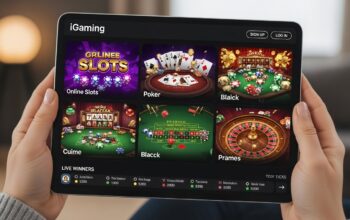

The gambling industry has undergone a significant transformation over the past two decades, primarily driven by the advent of the internet and advances in technology. What was once a sector confined to land-based casinos and physical betting shops has now expanded into the thriving world of iGaming—online gambling. iGaming, which encompasses a wide array of digital gambling activities such as online casinos, sports betting, poker, and esports betting, has evolved into a multibillion-dollar industry that continues to reshape the way people engage with gambling worldwide.
This blog post delves into the fascinating world of iGaming, exploring its rise, the various forms it takes, the legal landscape, its impact on the global economy, and the challenges and opportunities that lie ahead. Whether you are a seasoned bettor, a newcomer to online gambling, or simply interested in the digital evolution of the gambling sector, this post offers an in-depth look at iGaming’s past, present, and future.
What is iGaming?
At its core, iGaming refers to any form of gambling that is conducted online. The term “iGaming” encompasses a wide range of digital gambling activities, from online poker, casino games, and sports betting to virtual sports and esports betting. iGaming platforms allow individuals to wager money or place bets via the internet, usually through specialized websites or mobile applications.
Unlike traditional gambling, which requires physical presence at a casino, racetrack, or betting shop, iGaming removes the geographic and physical barriers, providing players with the opportunity to gamble from anywhere in the world. Players can access their favorite games or place sports bets at their convenience, whether they are on their computer, tablet, or smartphone. The convenience of 24/7 access, coupled with the ability to play a wide variety of games and place multiple types of bets, has propelled iGaming into the mainstream and significantly contributed to the industry’s rapid growth.
The Evolution of iGaming: From Land-Based to Online
The roots of iGaming can be traced back to the 1990s, a time when the internet was gaining widespread use. Online gambling as we know it began with the launch of the first online casino in 1994, created by the software company Microgaming. At the time, the concept of gambling on the internet was novel, and few people expected it to become the massive industry it is today. However, as technology improved, the popularity of online casinos, poker rooms, and sports betting platforms began to grow.
The early days of iGaming were marked by relatively simple, static websites and rudimentary online games. As the internet evolved, however, so did the quality of online gambling experiences. With the introduction of advanced software platforms, more engaging graphics, and secure payment methods, online casinos and betting platforms began to resemble their physical counterparts in terms of user experience and trustworthiness.
The key to iGaming’s success was its ability to reach a global audience. While land-based casinos were often limited by geographic location and regulatory restrictions, online gambling platforms could cater to users from all over the world. As internet access expanded and online gambling laws evolved, iGaming’s reach extended far beyond the small, early-adopter communities and into the mainstream.
One of the most significant milestones in the evolution of iGaming was the launch of online poker in the early 2000s. Poker rooms like PokerStars and PartyPoker allowed players to compete in real-time with others from all over the world, creating an entirely new form of social gaming. Tournaments like the World Series of Poker (WSOP) began attracting millions of online viewers, and the poker boom that followed was a defining moment in the history of online gambling.
Today, iGaming encompasses a vast array of options, including online slots, virtual sports, esports betting, and live dealer games, with millions of players participating every day. The industry has become so large that it has attracted significant investment from global brands, media companies, and traditional gambling operators looking to capitalize on the growing demand for online entertainment.
The Different Types of iGaming
iGaming is an umbrella term that includes several types of online gambling activities. Each category offers unique experiences and caters to different preferences and interests. The most popular types of iGaming include:
Online Casinos
Online casinos are the digital versions of traditional brick-and-mortar casinos. They offer a variety of games, including table games like blackjack, roulette, and baccarat, as well as a wide selection of slot machines. Online casinos have evolved over the years, offering increasingly sophisticated game features, enhanced graphics, and better user experiences.
A particularly popular aspect of online casinos is live dealer games, which involve real human dealers running the games in real-time, streamed directly to players. This creates a more immersive experience that replicates the atmosphere of a physical casino, allowing players to interact with dealers and other players.
Sports Betting
Sports betting is one of the most popular forms of iGaming, allowing individuals to place wagers on sporting events ranging from traditional sports like football, basketball, and tennis, to niche markets such as esports, virtual sports, and even political elections. Online sports betting platforms provide a variety of betting options, including in-play betting, where players can place bets while the game is ongoing, and fixed-odds betting, where odds are determined before the event starts.
The legalization of sports betting in many countries, especially in the United States following the 2018 Supreme Court ruling, has fueled the growth of this sector within the iGaming industry. The convenience of placing bets from a mobile device or computer, coupled with the ease of access to live event coverage, has made online sports betting a multi-billion-dollar market.
Online Poker
Online poker has been a major driver of iGaming growth since the early 2000s. Poker rooms allow players to compete in various formats, including Texas Hold’em, Omaha, and Seven Card Stud, with both cash games and tournament-style play. The ability to play against opponents from across the world has made online poker highly appealing, and tournaments such as the World Poker Tour (WPT) and the World Series of Poker (WSOP) continue to attract massive global audiences.
Poker platforms offer a wide range of stakes, so players from all walks of life can participate. From casual players to high-stakes professionals, online poker has something to offer everyone. Additionally, the rise of mobile poker apps has made it even easier for people to play on the go.
Esports Betting
The growth of esports has had a significant impact on the iGaming industry. Esports, or competitive video gaming, has gained a massive following, and betting on esports events has become an increasingly popular activity. Platforms allow players to wager on major esports titles such as League of Legends, Dota 2, Counter-Strike: Global Offensive, and Overwatch, among others.
Esports betting has attracted a younger demographic, who are already avid fans of gaming. With the rise of major esports tournaments and streaming platforms like Twitch, esports betting is quickly becoming a significant segment of the iGaming market.
Virtual Sports
Virtual sports are simulated versions of traditional sports, where outcomes are determined by computer algorithms rather than real-world events. Online betting platforms allow users to place wagers on virtual football, horse racing, basketball, and more. Virtual sports are available 24/7, offering players the chance to bet on fast-paced, computer-generated events at any time.
This form of betting has gained popularity due to its immediate gratification and fast results. Virtual sports betting is also appealing to players who may not have access to live sports or who are looking for a quicker, more casual form of gambling.
Legal Challenges and Regulation of iGaming
The legal status of iGaming varies greatly from country to country, and the regulatory landscape is often complex and subject to frequent changes. In some regions, online gambling is fully legalized and regulated, while in others, it is strictly prohibited or exists in a legal gray area.
Countries like the United Kingdom, Malta, and Gibraltar have established robust regulatory frameworks for iGaming, ensuring that operators adhere to strict standards related to player protection, fairness, and transparency. These jurisdictions often require operators to hold licenses, which can be revoked for violations, and offer players recourse if they experience any issues with operators.
In other regions, particularly in the United States, the regulation of iGaming is still evolving. While sports betting has been legalized in many states following the 2018 Supreme Court ruling, online casino games and poker remain illegal in most states. However, some states, like New Jersey and Pennsylvania, have fully legalized online casinos and poker rooms, providing a framework for safe, regulated gambling.
The Future of iGaming: Trends to Watch
As iGaming continues to evolve, several key trends are shaping its future:
Mobile Gaming
The rise of smartphones and mobile applications has made iGaming more accessible than ever before. Mobile platforms allow players to access their favorite games and place bets on the go, making gambling a part of their everyday lives. With more iGaming operators focusing on mobile-first experiences, the demand for mobile-friendly platforms will only continue to grow.
Cryptocurrency and Blockchain Technology
Cryptocurrencies like Bitcoin and Ethereum are gaining traction in the world of iGaming. Many online casinos and sportsbooks are now accepting digital currencies as a form of payment, and blockchain technology is being explored to improve transparency and fairness in gambling transactions. The anonymity and speed of cryptocurrency payments make them particularly appealing to online gamblers.
Virtual Reality and Augmented Reality
Virtual reality (VR) and augmented reality (AR) are technologies that have the potential to revolutionize the iGaming experience. VR casinos, for example, could provide players with a fully immersive gaming experience that feels like they are inside a real casino. AR could be used to enhance sports betting experiences or provide live dealer games with more interactive features.