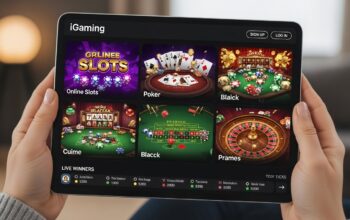

The world of iGaming has evolved dramatically over the past two decades, transforming from simple online card games and basic digital betting platforms into a multi-billion-dollar global industry. iGaming, which includes online casino games, sports betting, poker, and other digital gaming experiences, is now a mainstream form of entertainment. It attracts millions of players worldwide, leverages cutting-edge technology, and continually reshapes the landscape of digital recreation. This blog explores the evolution of iGaming, its technological foundations, regulatory environment, cultural impact, and the future of this dynamic industry.
The Origins of iGaming
iGaming traces its roots back to the mid-1990s when the first online casinos and poker platforms began to emerge. Early adopters of internet technology saw the potential of bringing traditional gambling experiences to a digital format. The first digital casinos offered basic versions of card games, roulette, and slot machines, limited by the technology of the time.
As internet accessibility improved and personal computers became more widespread, more sophisticated platforms appeared. Early iGaming platforms prioritized functionality over aesthetics, focusing on allowing players to engage in betting from the comfort of their homes. Despite the limitations of early technology, these platforms laid the foundation for a global industry that would grow exponentially in the following decades.
Technological Advancements Driving iGaming
Technology has been the key driver behind the expansion and sophistication of iGaming. Advanced software development, high-speed internet, and mobile technology have transformed the way players interact with digital gaming platforms.
Random number generators (RNGs) ensure fair play in online casinos, simulating outcomes similar to physical games while maintaining transparency and integrity. Game developers continuously innovate by creating immersive experiences with high-definition graphics, realistic sound effects, and interactive gameplay mechanics.
Mobile technology has been particularly influential. The rise of smartphones and tablets allowed players to access iGaming platforms anytime, anywhere. Mobile applications and responsive websites ensure seamless gameplay, enabling users to enjoy casino games, sports betting, and live dealer experiences on the go.
The Role of Live Dealer Games
Live dealer games represent a significant innovation in iGaming, bridging the gap between physical casinos and online platforms. Using high-definition streaming technology, live dealer games allow players to interact with real dealers and other players in real time.
Games like blackjack, baccarat, and roulette are broadcast from professional studios or even real casinos. Players can place bets, communicate with dealers, and experience the excitement of live gambling without leaving home. This hybrid model combines convenience with authenticity, increasing player engagement and satisfaction.
The Rise of Sports Betting
Sports betting has become a central component of the iGaming industry. Traditional sports betting, once limited to physical locations, now thrives online, offering real-time betting on a vast range of sports and events.
Online platforms provide extensive options, including pre-match betting, in-play wagering, and predictive analytics. Live odds, statistical data, and player performance tracking allow bettors to make informed decisions. The integration of sports betting with mobile technology, live streaming, and social features has transformed the experience into an interactive, immersive activity.
iGaming Regulation and Compliance
Regulation is essential in maintaining fairness, transparency, and safety in iGaming. Different countries have varying rules, ranging from highly regulated environments to more liberal licensing regimes. Operators must comply with licensing requirements, responsible gambling standards, and anti-money laundering regulations.
Regulatory compliance ensures that players have a safe and secure environment to enjoy digital gaming. Random number generators, secure payment systems, and strict auditing standards are common requirements. Additionally, regulators enforce measures to prevent underage gambling and support responsible gaming practices, promoting a balanced and ethical industry.
Payment Solutions in iGaming
Secure and efficient payment systems are critical to the success of iGaming platforms. Players need reliable methods for depositing funds, withdrawing winnings, and managing accounts. Traditional options include credit cards, bank transfers, and e-wallets, while emerging technologies such as cryptocurrencies are gaining traction.
Blockchain and digital currencies offer transparency, security, and fast transactions. By leveraging decentralized systems, iGaming platforms can reduce transaction costs, prevent fraud, and attract a global audience. Payment innovation continues to drive the industry forward, ensuring that player experience remains seamless and trustworthy.
The Impact of Gamification
Gamification has transformed the iGaming experience by incorporating game-like elements into digital gambling. Reward systems, achievement badges, progress tracking, and interactive challenges increase player engagement and retention.
Loyalty programs, bonus structures, and tiered rewards encourage players to explore more games and remain active on platforms. Gamification not only enhances entertainment value but also creates opportunities for operators to develop long-term relationships with players, making digital gaming more dynamic and immersive.
iGaming and Mobile Technology
Mobile technology has fundamentally changed how players access iGaming. Responsive websites, dedicated apps, and mobile-optimized interfaces allow users to engage with games at any time. Smartphones and tablets provide touch-screen interaction, motion sensors, and high-definition displays, creating a user-friendly and immersive gaming experience.
Mobile-first platforms have become essential for operators seeking to expand their audience. Push notifications, personalized offers, and real-time game updates keep players engaged, while social sharing features allow players to connect with friends and other enthusiasts. Mobile technology has made iGaming a truly portable and interactive experience.
The Role of Artificial Intelligence
Artificial intelligence is revolutionizing the iGaming industry in multiple ways. AI algorithms analyze player behavior, optimize game recommendations, and detect patterns that may indicate problem gambling. Predictive analytics also allow operators to offer personalized promotions and bonuses tailored to individual preferences.
In addition, AI is used to improve customer service through chatbots, automate fraud detection, and enhance game development by simulating realistic scenarios. By integrating AI, iGaming platforms can provide a smarter, safer, and more engaging experience for players.
iGaming and Responsible Gaming
Responsible gaming is a critical aspect of the iGaming industry. Platforms implement tools to monitor player behavior, set deposit and betting limits, and provide self-exclusion options for those who may experience gambling-related problems.
Awareness campaigns, educational resources, and customer support services are integral to promoting a safe gaming environment. The industry recognizes that sustainability depends on balancing entertainment with ethical practices, ensuring that players enjoy digital gaming without risking financial or psychological harm.
Cultural and Social Impact of iGaming
iGaming has a significant cultural and social impact. It has made gambling more accessible, providing entertainment options for a diverse global audience. Online gaming communities, forums, and social features create spaces for players to share strategies, experiences, and achievements.
The rise of eSports betting, virtual tournaments, and fantasy sports has further blended traditional gaming with digital entertainment. iGaming has become a social activity, bringing people together while also offering personalized experiences for individual enjoyment.
The Future of iGaming
The future of iGaming promises continued innovation and expansion. Virtual reality (VR) and augmented reality (AR) technologies are expected to create fully immersive casino experiences, allowing players to interact with virtual environments in unprecedented ways.
Artificial intelligence and machine learning will continue to enhance personalization, security, and game development. Blockchain technology may become a standard for secure, transparent transactions, and mobile gaming will remain central to reaching a global audience.
Regulation will likely evolve to address new technologies, ensuring fairness, safety, and responsible gaming. As technology continues to advance, iGaming will remain at the forefront of digital entertainment, blending innovation, convenience, and excitement for players worldwide.
Conclusion: iGaming as a Digital Entertainment Revolution
iGaming has grown from simple online card games to a complex, global digital entertainment industry. Technological innovation, mobile accessibility, AI integration, and gamification have transformed the experience, making it more immersive, secure, and engaging than ever.
The industry continues to evolve, adapting to regulatory requirements, ethical considerations, and changing player expectations. As iGaming embraces virtual reality, blockchain, and advanced analytics, it is poised to redefine digital entertainment for decades to come.
For players, iGaming offers a convenient and engaging form of recreation. For operators, it presents opportunities to innovate, expand, and connect with audiences worldwide. iGaming is more than a digital pastime—it is a revolutionary industry that continues to shape the future of online entertainment.