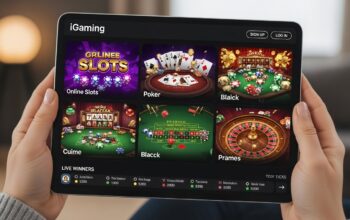

In recent years, the world of entertainment has undergone a significant transformation, and one sector that has experienced remarkable growth is iGaming. Short for “interactive gaming,” iGaming refers to online gambling and gaming platforms where players can wager on games, participate in casino-style experiences, or engage in fantasy sports from the comfort of their homes. With technological advancements, regulatory changes, and evolving consumer behavior, iGaming has become a global phenomenon, attracting millions of players worldwide.
The Evolution of iGaming
The origins of iGaming can be traced back to the 1990s when online casinos and poker rooms began to emerge. Early platforms were limited in graphics and gameplay, but they paved the way for a rapidly expanding digital gambling industry. Over the decades, iGaming has evolved from basic online betting websites to immersive experiences that incorporate live dealers, high-quality graphics, virtual reality, and mobile compatibility.
Advancements in software development have played a crucial role in this evolution. Modern iGaming platforms use sophisticated algorithms to ensure fairness and security. Random Number Generators, or RNGs, guarantee that every spin or deal is unpredictable, creating trust among players. These technological improvements, combined with user-friendly interfaces, have made iGaming more accessible and engaging than ever before.
Mobile Gaming: The Game Changer
One of the most significant drivers of the iGaming revolution is mobile technology. Smartphones and tablets have transformed how people access entertainment. Today, players can place bets, spin slots, or participate in live casino games from anywhere, at any time. Mobile optimization has allowed iGaming platforms to offer seamless experiences without the need for desktop computers, which has dramatically increased user engagement and broadened the demographic of online players.
Mobile gaming also supports innovations like push notifications, in-app promotions, and instant deposits or withdrawals, making the overall experience more interactive and personalized. The convenience of mobile devices combined with high-speed internet has made online gambling a mainstream form of entertainment.
Popular iGaming Segments
The iGaming industry encompasses a wide range of segments, each catering to different player preferences. Some of the most popular include:
Online Casinos: Virtual casinos replicate traditional brick-and-mortar casinos. Players can enjoy slots, blackjack, roulette, baccarat, and poker without leaving their homes. Many platforms now feature live dealers, where players can interact with real human dealers via video streaming, enhancing the realism of the experience.
Sports Betting: Sports betting has gained massive popularity due to its integration with major sporting events worldwide. Online sportsbooks allow players to place bets on football, basketball, horse racing, esports, and many other sports. Real-time updates, odds comparison, and predictive analytics tools have made sports betting more strategic and appealing.
Poker Rooms: Online poker continues to attract players with its blend of skill, strategy, and chance. Multiplayer online poker rooms host tournaments, cash games, and heads-up challenges, enabling players to compete globally. The rise of mobile apps and live streaming of poker events has further boosted the game’s popularity.
Fantasy Sports: Fantasy sports combine strategy, sports knowledge, and competition. Players create virtual teams composed of real athletes and score points based on the athletes’ actual performances. Platforms offer season-long leagues or daily contests, adding excitement to traditional sports fandom.
Technology Behind iGaming
The backbone of the iGaming industry is technology. Beyond RNGs, the industry relies heavily on data analytics, artificial intelligence, cybersecurity, and blockchain technology.
Artificial Intelligence (AI): AI helps personalize player experiences by analyzing user behavior. It can suggest games, offer customized promotions, and even predict gaming trends. AI also assists in responsible gaming by detecting patterns of potential gambling addiction and providing timely interventions.
Blockchain: Blockchain technology is revolutionizing payment systems in iGaming. Cryptocurrency integration allows for faster, secure, and anonymous transactions. Smart contracts can automate payouts, enhancing transparency and trust in online gambling.
Cybersecurity: With the rise of online transactions, protecting user data is critical. iGaming platforms invest heavily in encryption, two-factor authentication, and secure payment gateways to ensure players’ financial and personal information remains safe.
Regulatory Landscape
The growth of iGaming has been supported by evolving regulations worldwide. Different countries adopt varying approaches, with some fully legalizing online gambling, others imposing strict regulations, and a few banning it altogether. Regulated markets ensure fair play, secure transactions, and player protection.
Licensing authorities, such as those in Malta, the United Kingdom, and Gibraltar, set standards for operators, ensuring compliance with international laws. Players are encouraged to choose platforms with proper licensing, which guarantees that games are audited, and payouts are reliable. The regulatory environment continues to adapt as technology evolves, addressing challenges like cross-border gambling and virtual currencies.
Social and Economic Impact
iGaming is not just a form of entertainment; it has significant social and economic implications. Economically, the industry generates billions in revenue and creates employment opportunities in software development, customer service, marketing, and compliance sectors. Governments also benefit from taxation and licensing fees, which can be reinvested in public services.
Socially, iGaming has introduced a new form of community engagement. Online tournaments, live dealer interactions, and chat functions allow players to connect globally. However, the industry also faces challenges, including gambling addiction. Responsible gaming initiatives, self-exclusion programs, and awareness campaigns are essential to mitigate potential harms.
Responsible Gaming: A Growing Priority
As the iGaming industry expands, promoting responsible gaming has become crucial. Operators implement tools to help players control their activity, such as deposit limits, loss limits, and time restrictions. Education about the risks of gambling and the probability of outcomes is also vital.
Technological solutions, such as AI monitoring and behavioral analysis, help identify at-risk players. Additionally, support networks, counseling services, and self-exclusion programs provide assistance to those struggling with gambling addiction. Balancing entertainment with safety ensures the sustainability and credibility of the iGaming industry.
Future Trends in iGaming
The future of iGaming is bright and full of possibilities. Several trends are likely to shape the industry in the coming years:
Virtual Reality (VR) and Augmented Reality (AR): VR and AR technologies are creating fully immersive gaming experiences. Players can walk through virtual casinos, interact with other players in real-time, and experience games as if they were physically present in a luxurious casino setting.
Esports Betting: The rise of competitive gaming has opened up a new segment for betting. Esports attracts younger audiences, and betting on tournaments is becoming increasingly popular, driving innovation in odds, live streaming, and analytics tools.
AI-Powered Personalization: AI will continue to enhance personalization, making gaming more engaging. From recommending games to predicting player preferences, AI will create tailored experiences for every individual.
Sustainability and Ethical Gaming: As societal awareness grows, players increasingly expect ethical and sustainable practices from gaming platforms. Companies are beginning to adopt environmentally friendly technologies and transparent operations, aligning their business with social responsibility.
Conclusion
iGaming has transformed the way people experience entertainment, blending technology, strategy, and excitement in a dynamic digital landscape. From online casinos and sports betting to fantasy sports and poker rooms, the industry offers diverse experiences that appeal to a global audience. Mobile technology, AI, blockchain, and VR are driving innovation, while regulations and responsible gaming practices ensure player protection and fairness.
As the industry continues to evolve, iGaming will likely become even more immersive, accessible, and socially connected. For players, it represents not only entertainment but also a community, an avenue for strategy, and a chance to experience the thrill of gambling in a safe and regulated environment. The iGaming revolution is far from over, and the next decade promises unprecedented growth, innovation, and engagement in this exciting digital frontier.