Introduction to iGaming
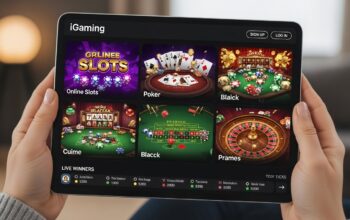
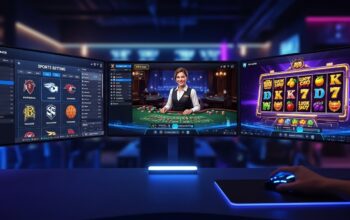
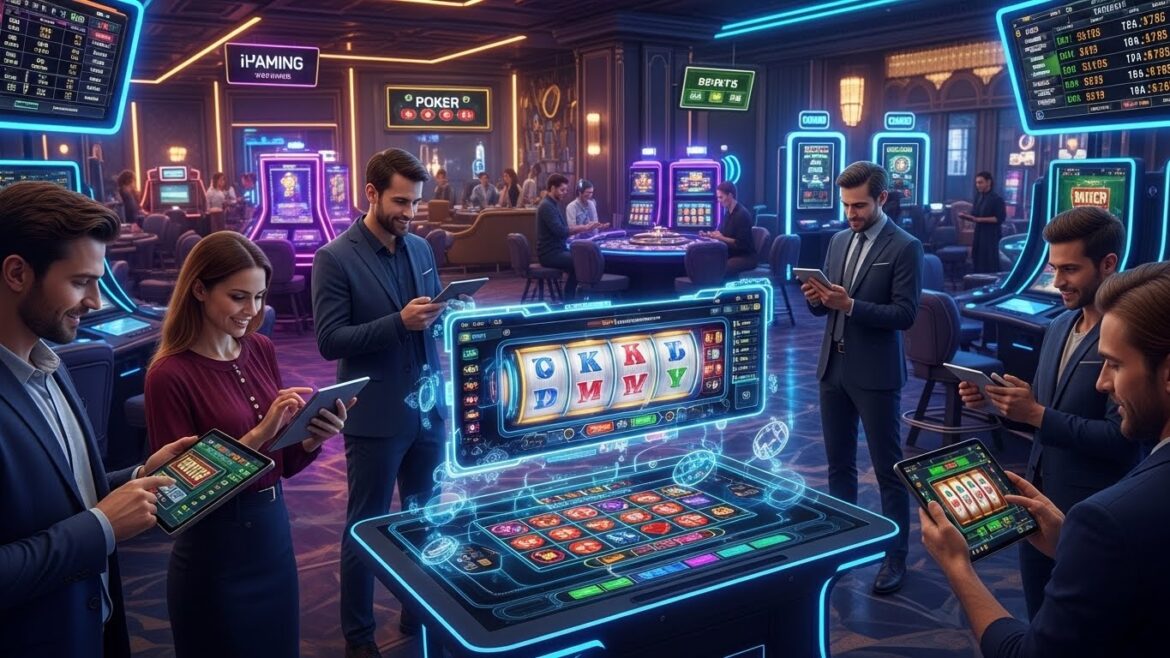
The digital revolution has transformed every aspect of our lives, and gaming is no exception. Among the most exciting advancements is iGaming, an industry that merges traditional gaming with online technologies. iGaming, short for interactive gaming, refers to online betting, casino games, poker, sports betting, and other forms of entertainment facilitated by the internet. Unlike traditional gambling in physical locations, iGaming provides players with instant access, convenience, and a wide variety of options.
This digital shift has created a massive global market with millions of active users. iGaming is not just about entertainment; it has become a sophisticated ecosystem with innovative technologies, complex algorithms, and immersive experiences that engage players like never before.
The Evolution of iGaming
The concept of iGaming isn’t entirely new. It has its roots in early computer games and online poker platforms that emerged in the late 1990s. At first, it was primarily about digitizing casino experiences and providing players with access from home. Over the years, however, the industry has evolved dramatically.
With advances in internet speed, mobile technology, and digital security, iGaming platforms can now offer real-time multiplayer experiences, live dealer games, and sophisticated graphics that rival physical casinos. Today’s platforms also utilize artificial intelligence and machine learning to personalize the gaming experience, making it more engaging and tailored to individual preferences.
Popular Types of iGaming
iGaming encompasses a wide range of activities. Some of the most popular categories include:
Online Casino Games
These are digital versions of traditional casino games such as blackjack, roulette, and baccarat. Online casinos often include slot machines with advanced graphics and bonus features, making the experience highly interactive.
Poker Platforms
Online poker has seen a massive rise in popularity. Players can join tournaments, play against others worldwide, and even participate in professional competitions without leaving their homes. Poker platforms often use sophisticated algorithms to ensure fair play and provide statistical insights to enhance the player experience.
Sports Betting
Sports betting has been revolutionized by digital technology. Players can now place bets on live games, access real-time statistics, and even participate in fantasy leagues. The integration of mobile apps has made it easier than ever for enthusiasts to follow their favorite sports and place wagers on the go.
eSports Betting
The rise of eSports has added a new dimension to iGaming. Competitive video gaming attracts millions of viewers globally, and platforms now allow users to bet on professional matches. This has created a vibrant market where gaming skills and betting strategies intersect.
The Role of Technology in iGaming
Technology is the backbone of iGaming. From secure payment systems to immersive graphics and artificial intelligence, technology ensures that platforms provide seamless and engaging experiences.
Mobile Gaming
One of the most significant technological advancements in iGaming is mobile compatibility. Modern players prefer gaming on their smartphones and tablets. Mobile apps offer convenience, allowing players to engage anytime and anywhere. Touchscreen controls, push notifications, and app-exclusive promotions have further enhanced mobile gaming experiences.
Virtual Reality and Augmented Reality
Virtual reality (VR) and augmented reality (AR) are reshaping the iGaming landscape. VR casinos allow players to enter a fully immersive environment, interact with other players, and experience games as if they were in a physical casino. AR enhances the experience by overlaying digital elements onto the real world, creating interactive and unique gaming scenarios.
Artificial Intelligence
AI plays a critical role in iGaming. It is used for player behavior analysis, fraud detection, and personalization. AI algorithms can recommend games based on player preferences, predict betting patterns, and even detect problem gambling behaviors, helping platforms promote responsible gaming.
Blockchain Technology
Blockchain is increasingly being integrated into iGaming platforms to provide transparency, security, and decentralized payment systems. Cryptocurrencies allow players to conduct transactions with privacy, and blockchain ensures fair play by recording game outcomes on a tamper-proof ledger.
Responsible Gaming in the iGaming Industry
While iGaming offers tremendous entertainment, it also comes with challenges. Problem gambling and addiction are real concerns that the industry must address. Most reputable platforms have introduced responsible gaming features such as:
- Deposit limits
- Self-exclusion options
- Reality checks for extended play
- Access to support resources
Regulatory authorities also play a crucial role in ensuring that iGaming operators comply with legal and ethical standards, protecting players from potential harm.
Economic Impact of iGaming
The iGaming industry has a significant economic footprint. It generates billions in revenue globally and contributes to job creation in software development, marketing, customer support, and data analytics. Governments benefit through licensing fees and taxation, which support public services and infrastructure development.
Furthermore, iGaming has stimulated technological innovation. The demand for secure, reliable, and user-friendly platforms has pushed advancements in cybersecurity, artificial intelligence, and cloud computing, benefiting other sectors as well.
Challenges Facing the iGaming Industry
Despite its growth, the iGaming industry faces several challenges:
Regulatory Complexity
Different countries have varying regulations regarding online gambling. Operators must navigate complex legal frameworks to ensure compliance, which can be costly and time-consuming.
Cybersecurity Threats
As digital platforms handle sensitive financial data, they are prime targets for cyberattacks. Operators must invest heavily in security measures to protect user information and maintain trust.
Competition
With thousands of platforms competing for users’ attention, staying ahead requires constant innovation and strategic marketing. Platforms must differentiate themselves through game variety, promotions, and unique user experiences.
Ethical Concerns
Ethical concerns include underage gambling, addiction, and unfair practices. Platforms must balance profitability with ethical responsibility, implementing safeguards to protect vulnerable users.
Trends Shaping the Future of iGaming
The future of iGaming is bright, with several emerging trends likely to define the next decade:
Gamification
Gamification integrates game mechanics into non-gaming environments, making the experience more engaging. Loyalty programs, achievements, and challenges motivate players and enhance retention.
Integration with Social Media
iGaming platforms are increasingly integrating social features, allowing players to share achievements, compete with friends, and participate in online communities. This social aspect enhances engagement and creates a sense of belonging.
AI-Driven Personalization
Future platforms will leverage AI to offer highly personalized experiences, adapting game recommendations, bonuses, and interfaces to individual player behavior and preferences.
Expansion of eSports Betting
eSports betting is poised for massive growth. As competitive gaming continues to gain mainstream recognition, betting platforms will expand offerings, attracting a younger demographic and global audiences.
Blockchain and Decentralized Gaming
Blockchain technology will continue to influence iGaming by enabling provably fair gaming, transparent transactions, and new business models like decentralized casinos.
Conclusion
iGaming is more than just a digital pastime; it is a dynamic, technology-driven industry that blends entertainment, strategy, and innovation. From online casino games to sports and eSports betting, iGaming offers diverse opportunities for engagement while also contributing significantly to the global economy.
As technology continues to evolve, the iGaming industry will become even more immersive and personalized, with virtual reality, artificial intelligence, and blockchain playing central roles. However, the industry must also address challenges such as regulation, cybersecurity, and responsible gaming to ensure sustainable growth.
Ultimately, iGaming is a reflection of the modern digital era—a world where technology, entertainment, and human interaction converge to create experiences that are convenient, exciting, and transformative. For players, it offers a chance to explore new forms of entertainment; for operators, it presents endless opportunities for innovation. And for the global economy, it represents a thriving sector with enormous potential for continued growth.
iGaming is no longer just a trend; it is a revolution that is reshaping the way we play, bet, and interact with digital entertainment. The journey has just begun, and the future promises experiences more immersive, interactive, and innovative than ever before.