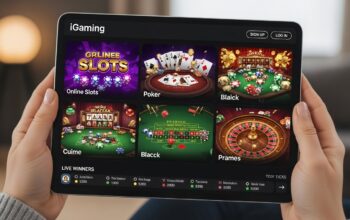

The iGaming industry, often referred to as the online gaming or digital gambling sector, has become one of the most dynamic and rapidly growing segments of the global entertainment market. As digital platforms continue to evolve, iGaming is at the forefront of offering new and exciting experiences for millions of players worldwide. From online casinos to sports betting, poker, and even virtual gaming, the industry is diverse, multifaceted, and increasingly accessible. This blog post will explore the rise of iGaming, its impact on the global economy, technological innovations that drive it, and the future of the industry.
The Evolution of iGaming
The term “iGaming” refers to all forms of online gambling, including casino games, poker, sports betting, lottery, and eSports betting. The roots of iGaming trace back to the mid-1990s when the first online casinos emerged. The advent of the internet revolutionized how people interacted with gambling, making it possible to play their favorite casino games or place a sports bet from the comfort of their homes. With the advent of secure payment systems, encryption technologies, and improved internet speeds, iGaming rapidly gained popularity.
In its early stages, the market was largely unregulated, with many sites operating in gray areas or offshore jurisdictions. However, the increasing popularity of online gambling soon prompted governments and regulatory bodies to step in and establish frameworks to ensure the safety, fairness, and integrity of these platforms. Today, online gambling is legal and regulated in many countries, with operators needing to comply with a variety of local laws and licensing requirements.
The Rise of Mobile Gaming
In the early days of iGaming, players were limited to accessing their favorite gambling platforms through desktop computers. However, as smartphones and mobile technology advanced, the industry shifted toward mobile-first platforms. The ability to gamble on the go, whether on a commute or while relaxing at home, significantly broadened the appeal of iGaming.
Mobile gambling apps have become an essential part of the iGaming ecosystem. Players can access a variety of games, make deposits and withdrawals, and even participate in live dealer experiences directly from their smartphones or tablets. This shift to mobile gaming has increased the accessibility of iGaming and enabled operators to reach a wider audience.
Mobile-first iGaming platforms are designed to be user-friendly, intuitive, and fast. These apps and websites are optimized for small screens and offer seamless experiences, including quick-loading games, secure payment gateways, and live customer support.
Technological Innovations Driving iGaming
One of the primary factors behind the rapid growth of iGaming is the constant technological innovation that fuels the sector. The use of cutting-edge technology enhances the gaming experience, making it more immersive, secure, and engaging for players.
1. Artificial Intelligence and Machine Learning
Artificial Intelligence (AI) and Machine Learning (ML) have become increasingly integral to the iGaming industry. These technologies are used for various purposes, including personalizing player experiences, improving security, and even detecting fraudulent behavior.
AI algorithms can track a player’s behavior and provide personalized recommendations, such as suggesting new games based on a player’s preferences or offering tailored bonuses and promotions. Machine learning can also help operators optimize game offerings and create more engaging gameplay mechanics.
Additionally, AI is employed for security purposes. It helps detect suspicious activity, such as abnormal betting patterns or attempts to manipulate the game, and automatically flags potential fraudulent behavior. This improves the overall safety of online gambling platforms.
2. Blockchain and Cryptocurrencies
Blockchain technology and cryptocurrencies like Bitcoin have revolutionized the iGaming industry by offering transparent, secure, and decentralized solutions for both players and operators. Blockchain ensures that all transactions are recorded on a public ledger, making it nearly impossible for them to be tampered with.
Cryptocurrencies have also emerged as an alternative payment method for iGaming, offering faster and more secure transactions than traditional payment methods. Many players now prefer using cryptocurrencies for deposits and withdrawals because of their privacy, low transaction fees, and speed.
In addition, some iGaming platforms have integrated blockchain technology into their game mechanics. Provably fair gaming is one such example, where players can verify the fairness of each game outcome through the blockchain. This ensures greater trust between operators and players, which is critical in an industry built on fairness and transparency.
3. Live Dealer Technology
Live dealer technology has become one of the most popular features of online casinos. This technology allows players to experience the excitement of playing in a real casino, but from the comfort of their homes. Through live streaming, professional dealers operate real-time games, such as blackjack, roulette, baccarat, and poker.
Live dealer games are powered by high-quality cameras, real-time video feeds, and interactive interfaces, making it feel as though players are sitting at a physical casino table. The live streaming is enhanced by chat features, allowing players to interact with the dealer and other participants, further enhancing the social aspect of gambling.
The demand for live dealer games has skyrocketed, especially as players seek more authentic, engaging experiences. It also highlights how the iGaming sector is embracing innovation to deliver realistic and high-quality entertainment.
iGaming Regulation and Responsible Gambling
As the iGaming industry continues to expand, so does the need for effective regulation. Many governments and independent organizations are taking a proactive approach to ensure that online gambling platforms operate responsibly, fairly, and transparently.
Regulations vary by country, but most jurisdictions require operators to obtain licenses and follow strict guidelines related to game fairness, security, and advertising. Licensing bodies like the UK Gambling Commission, Malta Gaming Authority, and the New Jersey Division of Gaming Enforcement play a key role in overseeing the industry and ensuring that operators comply with the law.
One of the most important aspects of iGaming regulation is promoting responsible gambling. Online gambling can be addictive, and many operators implement measures to help players manage their gambling habits. This includes setting deposit limits, offering self-exclusion tools, and providing links to organizations that offer support for problem gambling.
The introduction of responsible gambling initiatives has become crucial in balancing the thrill of gaming with the need to protect vulnerable players. Moreover, regulatory bodies now require operators to conduct regular audits of their games to ensure fairness and transparency, which further promotes player trust and safety.
The Economic Impact of iGaming
The iGaming industry contributes significantly to the global economy. According to various market reports, the global online gambling market is expected to reach a valuation of over $100 billion in the next few years, with some regions, like Europe and North America, experiencing rapid growth.
The economic impact of iGaming extends beyond the direct revenue generated by gambling operators. It also creates employment opportunities in areas like software development, game design, customer support, marketing, and regulatory compliance. Moreover, tax revenues from regulated iGaming markets provide governments with substantial income, which is often allocated to public welfare programs, including addiction support and responsible gambling initiatives.
The Future of iGaming
The future of iGaming looks incredibly promising, driven by several key trends that will continue to shape the industry in the coming years.
1. Virtual Reality (VR) and Augmented Reality (AR)
Virtual Reality (VR) and Augmented Reality (AR) technologies are expected to play a major role in the future of iGaming. These technologies will allow players to experience fully immersive casino environments, where they can interact with other players and dealers in 3D spaces. VR and AR have the potential to revolutionize the way players experience online gaming, offering a level of immersion and interactivity that has never been seen before.
2. Esports Betting
Esports betting is one of the fastest-growing segments within iGaming. As competitive gaming continues to gain mainstream popularity, more bettors are placing wagers on major esports tournaments. This trend is expected to continue, with more iGaming operators integrating esports betting options into their platforms.
3. Social Gaming and Gamification
Social gaming and gamification are trends that will further bridge the gap between online gambling and traditional gaming. By integrating social features, such as chat rooms, multiplayer modes, and rewards systems, iGaming operators can create more engaging and interactive experiences for players. These features are particularly popular among younger players who enjoy the social aspects of gaming.
Conclusion
iGaming is a rapidly evolving industry that has transformed the way people experience gambling and gaming. From its humble beginnings in the 1990s to its current status as a multi-billion-dollar industry, iGaming continues to grow and innovate. With advancements in technology, evolving regulations, and a commitment to responsible gambling, the future of iGaming looks brighter than ever. As new technologies like VR, AR, and blockchain continue to shape the landscape, the iGaming experience will only become more immersive, engaging, and accessible to players around the world.
As this digital gambling revolution continues, operators, players, and regulators will need to work together to ensure that the industry remains fair, transparent, and enjoyable for everyone involved. Whether you’re a casual player or a seasoned gambler, iGaming offers a world of entertainment and opportunity that is bound to keep evolving for years to come.