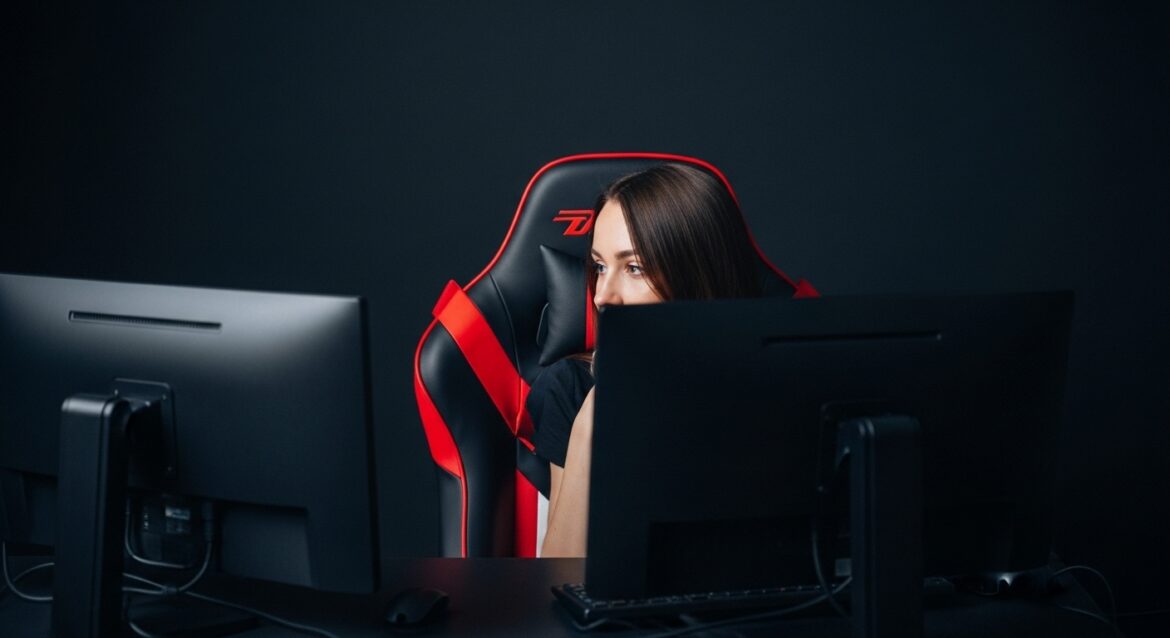
The world of competitive gaming, or esports, has evolved into a global phenomenon. What was once a hobby for enthusiasts has transformed into a billion-dollar industry that rivals traditional sports in viewership, intensity, and professionalism. But behind every mechanical skill, strategic play, and flashy victory lies something even more crucial—the psychology of winning. Success in esports isn’t just about how fast you can click or how many hours you practice; it’s about mastering your mind, emotions, and mindset. In this blog, we will explore the mental and psychological aspects that define winners in competitive gaming, uncovering how top players develop resilience, focus, and confidence to dominate their opponents.
Understanding the Mental Side of Esports
Competitive gaming is as much a mental battle as it is a physical one. While players do not require physical endurance like athletes in traditional sports, the cognitive demands in esports are enormous. Gamers must maintain attention, process information quickly, and make split-second decisions that can determine victory or defeat. Every action in the game is influenced by the player’s mental state. Anxiety, pressure, stress, or overconfidence can significantly alter performance.
The best esports athletes understand that winning is not only about skill mastery but also about mental control. Whether it’s staying calm during a championship match or recovering from a devastating loss, the mind plays a decisive role in shaping outcomes. The ability to manage emotions and maintain psychological balance separates top-tier players from the rest of the competition.
Building a Champion’s Mindset
The foundation of any winner in esports begins with mindset. A champion’s mindset goes beyond positive thinking—it’s about developing a growth-oriented approach toward improvement, resilience, and adaptability. In competitive gaming, even the most skilled players encounter setbacks, losing streaks, and self-doubt. Those who persevere are the ones who treat every failure as an opportunity to learn rather than as a reason to give up.
Top professional gamers embrace the concept of a growth mindset, popularized by psychologist Carol Dweck. They believe that skills can be developed through effort, practice, and persistence. Instead of being discouraged by losses, they analyze their mistakes, identify weaknesses, and refine their techniques. This mindset fuels continuous improvement and keeps them focused on long-term success rather than short-term frustration.
The Role of Confidence in Performance
Confidence is one of the most powerful psychological factors in competitive gaming. A player’s belief in their own abilities can directly influence how they perform under pressure. Confident players are more likely to take calculated risks, trust their instincts, and execute their strategies effectively. On the other hand, lack of confidence can lead to hesitation, self-doubt, and missed opportunities.
Confidence in esports is built through consistent practice, preparation, and experience. When a player repeatedly faces high-pressure situations and performs well, their confidence grows. Visualization techniques, where players mentally rehearse successful plays, are also commonly used to boost confidence. The best esports athletes know how to project confidence even when things aren’t going their way, using body language, communication, and attitude to maintain a psychological edge over their opponents.
Managing Pressure and Stress
Competitive gaming environments are filled with pressure—from performing in front of live audiences to representing sponsors and competing for massive prize pools. Managing this pressure effectively is essential for sustained success. Many players struggle with anxiety during tournaments, which can cause slower reactions, tunnel vision, or poor decision-making.
Top players develop coping mechanisms to handle stress. Breathing exercises, mindfulness, and meditation have become common practices among professional esports teams. These techniques help players stay grounded and focused during intense matches. Additionally, maintaining a balanced lifestyle with proper sleep, nutrition, and physical exercise contributes significantly to mental well-being.
Understanding the difference between good stress (eustress) and bad stress (distress) is also crucial. A moderate level of stress can actually enhance performance by increasing alertness and motivation. However, excessive stress leads to burnout and performance decline. Successful players learn to channel stress into energy and focus, turning it into a tool for motivation rather than a source of fear.
Emotional Control and Composure
In the heat of competition, emotions can easily spiral out of control. Anger, frustration, and disappointment are common reactions to mistakes or losses in gaming. However, emotional instability can destroy concentration and team coordination. Maintaining composure under pressure is a hallmark of elite players.
Professional gamers train themselves to detach emotionally from negative outcomes. When a mistake happens, they reset mentally instead of dwelling on it. They understand that one bad round or one lost game doesn’t define their overall ability. By staying composed, they keep their focus on strategy and execution rather than emotion.
Emotional control also extends to interpersonal dynamics within a team. In team-based esports like League of Legends or Counter-Strike, maintaining harmony and effective communication is vital. Emotional outbursts or blaming teammates can break team morale and chemistry. Teams that cultivate a calm, supportive environment are more likely to perform consistently and handle setbacks constructively.
Focus and Concentration: The Cognitive Edge
Winning in esports often comes down to razor-sharp focus. Players must process visual and auditory cues, monitor multiple variables, and react in fractions of a second. Maintaining concentration for extended periods is both physically and mentally taxing.
Elite players train their focus through deliberate practice. They minimize distractions, create structured routines, and practice under simulated tournament conditions to build mental endurance. Focused attention can be compared to a muscle—it strengthens with consistent training and proper rest.
In addition, cognitive exercises, brain-training games, and visualization techniques can help improve reaction time and decision-making. Players who can sustain concentration over long matches gain a significant competitive advantage, as they are less likely to make mistakes caused by fatigue or distraction.
The Importance of Team Dynamics
In team-based esports, psychology extends beyond individual players to include group dynamics. Teams that communicate effectively, trust one another, and share common goals perform better under pressure. Esports psychologists often work with teams to improve communication, resolve conflicts, and strengthen team cohesion.
Understanding different personalities and communication styles is crucial. Some players are natural leaders, while others perform best when they can focus on their specific roles without additional responsibilities. Building synergy requires emotional intelligence—knowing how to motivate teammates, handle criticism, and maintain morale after losses.
Successful teams develop a shared mental model, meaning every player understands their role and how it fits into the team’s strategy. When this mental alignment is achieved, coordination becomes seamless, and the team operates like a single unit, capable of responding intuitively to challenges.
Motivation: The Fuel Behind Success
Motivation is the driving force that keeps players practicing, competing, and improving. In esports, motivation can come from different sources—love for the game, the desire to win, financial rewards, or personal fulfillment. However, not all motivation is equally sustainable.
Intrinsic motivation, which comes from internal satisfaction and passion for gaming, tends to produce longer-lasting success. Players who genuinely enjoy the process of improvement and competition are more resilient to setbacks. Extrinsic motivation, such as fame or money, can be effective in the short term but may lead to burnout if not balanced with intrinsic goals.
Understanding one’s purpose and aligning it with long-term goals helps maintain motivation during difficult times. Professional players often set specific, measurable objectives that keep them focused on continuous growth.
The Role of Mental Coaching in Esports
As esports has become more professionalized, mental coaches and sports psychologists have become integral parts of many teams. These experts help players develop emotional intelligence, manage stress, and improve focus. Mental training sessions often involve visualization, meditation, and cognitive-behavioral techniques to enhance self-awareness and resilience.
Teams like Astralis in Counter-Strike and T1 in League of Legends have credited much of their success to psychological preparation. By incorporating mental conditioning into training regimens, players can unlock higher levels of performance. Mental coaching not only improves individual performance but also strengthens teamwork and communication.
The Science of Flow State
One of the most fascinating psychological phenomena in esports is the concept of the “flow state.” Often described as being “in the zone,” flow occurs when players are fully immersed in the game, completely focused, and performing at their peak. In this state, actions feel effortless, and time seems to slow down.
Achieving flow requires a balance between challenge and skill. If the game is too easy, players get bored; if it’s too difficult, they become anxious. The optimal experience happens when the challenge slightly exceeds the player’s current ability, pushing them to perform at their best.
Flow can be cultivated through mindfulness, structured practice, and minimizing distractions. Players who can consistently enter this state have a distinct advantage, as it allows for maximum efficiency, creativity, and enjoyment during play.
Overcoming Failure and Setbacks
Every esports player experiences failure. Whether it’s losing a crucial match or missing out on a championship, setbacks are an inevitable part of the journey. However, how a player responds to failure defines their long-term success.
Psychologically resilient players view losses as feedback rather than finality. They analyze what went wrong, identify patterns, and adjust their strategies accordingly. This mindset transforms failure into an essential part of growth. Many top esports athletes have faced repeated defeats before achieving greatness, and their ability to persevere through adversity has been a defining trait.
Maintaining perspective is also vital. A single loss doesn’t erase progress or potential. Developing emotional maturity helps players bounce back stronger and more determined.
Mental Health and Burnout in Esports
While the pursuit of success is thrilling, the intense demands of professional gaming can take a toll on mental health. Long hours of practice, high expectations, and constant competition can lead to burnout, anxiety, and even depression. Many esports organizations are now prioritizing mental health support for their players.
Preventing burnout involves balancing work and rest. Regular breaks, physical exercise, and social connections are essential to maintaining mental well-being. Teams that encourage open discussions about mental health and provide access to therapists or counselors create healthier, more sustainable environments.
A strong mental health foundation not only enhances performance but also prolongs careers, allowing players to compete at a high level for years rather than burning out early.
Visualization and Mental Rehearsal
Visualization is a powerful psychological tool used by top performers in all competitive fields, including esports. By mentally rehearsing scenarios, strategies, and plays, players can strengthen neural connections and improve performance without physical practice.
For example, a player might visualize themselves executing perfect aim in a shooting game or coordinating flawlessly with teammates during a complex strategy. This mental rehearsal increases confidence and readiness, allowing for smoother execution during real matches.
Visualization also helps players anticipate potential challenges and mentally prepare for them, reducing anxiety and uncertainty during actual gameplay.
The Future of Esports Psychology
As esports continues to evolve, the role of psychology will become even more prominent. Teams are investing in dedicated performance psychologists, mindfulness programs, and emotional intelligence training. Future esports athletes will likely undergo mental conditioning as rigorously as they practice mechanical skills.
Advancements in neuroscience and cognitive science will also contribute to better understanding the mental processes behind peak performance. Tools like biofeedback and virtual reality may be used to train focus, manage emotions, and enhance reaction times. The integration of psychology and technology promises a future where the mental game becomes just as sophisticated as the physical one.
Conclusion
The psychology of winning in competitive gaming goes far beyond mastering mechanics or learning strategies. True success in esports is built upon a foundation of mental strength, emotional balance, and psychological resilience. The best players understand that their greatest opponent is often not another team but their own mind.