
Introduction
In the digital age, the entertainment industry has witnessed a remarkable transformation, and few sectors illustrate this change as vividly as iGaming. Short for “interactive gaming” or “internet gaming,” iGaming encompasses all forms of online gambling and betting, including casino games, sports betting, poker, slots, and lotteries conducted via digital platforms. Over the past two decades, iGaming has evolved from a niche online hobby to a global multi-billion-dollar industry that redefines how people experience entertainment and risk.
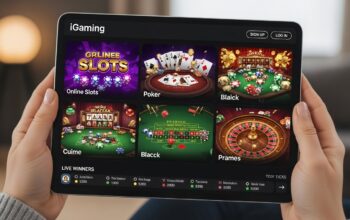
Fueled by technological innovation, advanced analytics, and user-friendly platforms, iGaming has captured audiences across the world. Players no longer need to visit physical casinos or betting shops. Instead, they can access games anytime, anywhere, using smartphones, tablets, or computers. This seamless integration of technology and entertainment has reshaped not only how people play but also how they interact socially, think about money, and experience competition.
This blog explores the evolution, technological foundations, psychological appeal, challenges, and future of iGaming—painting a complete picture of one of the most dynamic sectors in the digital economy.
The Origins of iGaming
The origins of iGaming can be traced back to the mid-1990s, when the internet began to transform global communication. In 1994, the first online casino was launched, allowing users to play virtual versions of traditional casino games like blackjack and roulette. These early websites were simple in design but revolutionary in concept. They proved that gaming and gambling could exist in a digital space, accessible from the comfort of one’s home.
At the same time, governments and organizations began recognizing the potential and challenges of online gambling. Licensing authorities emerged, such as the one established in Antigua and Barbuda, which issued the first official online gambling licenses. This regulatory milestone laid the foundation for the global iGaming industry.
Throughout the late 1990s, technological improvements—particularly in internet connectivity and online payment systems—allowed iGaming to expand rapidly. Players could deposit money electronically and play a wider range of games in a secure, interactive environment. As online casinos and poker rooms multiplied, competition drove innovation and improved user experience.
The Growth of the iGaming Industry
By the early 2000s, iGaming had become a significant force in global entertainment. The emergence of online poker, sports betting platforms, and slot games contributed to exponential growth. Players were drawn to the accessibility, convenience, and variety offered by digital platforms.
Sports betting, in particular, became a cornerstone of the iGaming industry. The ability to wager on live events—from football and basketball to horse racing—transformed how fans engaged with sports. Real-time odds, live updates, and in-play betting enhanced excitement and made sports viewing more interactive.
Meanwhile, technological advancements enabled more immersive casino experiences. High-quality graphics, realistic sound effects, and live dealer options created an authentic atmosphere that rivaled physical casinos. As mobile devices became widespread, mobile gaming apps made iGaming even more accessible, turning spare moments into opportunities for entertainment.
Technology as the Engine of iGaming
Technology lies at the heart of the iGaming revolution. Every advancement in computing, networking, and software has influenced how the industry operates.
Online Platforms and User Interfaces
Modern iGaming platforms prioritize user experience, offering intuitive interfaces that cater to both beginners and experienced players. Sophisticated algorithms ensure smooth gameplay, while responsive designs allow compatibility across devices. Personalization features—such as recommended games based on previous activity—enhance engagement and retention.
Payment and Security Systems
Security and convenience are critical to iGaming’s success. Innovations in encryption technology and payment processing have made online transactions safer than ever. Players can deposit and withdraw funds using credit cards, e-wallets, or even cryptocurrencies. Blockchain technology, in particular, has introduced transparency and fairness to digital transactions, building trust between operators and users.
Artificial Intelligence and Machine Learning
AI has revolutionized how iGaming platforms operate. It enables personalized experiences by analyzing user behavior, predicting preferences, and suggesting tailored content. AI also helps detect fraudulent activities and maintain responsible gaming practices.
Machine learning algorithms are used to improve game design, adjust difficulty levels, and manage odds in real time. These technologies ensure fairness while keeping players engaged and challenged.
Virtual Reality and Augmented Reality
The integration of VR and AR has opened new dimensions in interactive entertainment. Players can now enter fully immersive virtual casinos, interact with digital avatars, and experience lifelike gameplay environments. This blend of realism and technology bridges the gap between digital and physical gaming, enhancing emotional connection and excitement.
Mobile and Cloud Gaming
The rise of smartphones and cloud computing has made iGaming more accessible than ever. Cloud-based platforms eliminate the need for heavy software downloads, allowing users to play instantly. Mobile gaming apps ensure that entertainment is available on the go, creating a seamless experience that fits modern lifestyles.
The Psychological Appeal of iGaming
Beyond technology, iGaming’s success is rooted in psychology. The human desire for challenge, reward, and social interaction drives engagement in online gaming environments.
The Thrill of Risk and Reward
At its core, iGaming offers the excitement of uncertainty. The anticipation of winning—even when the odds are slim—creates a powerful emotional experience. This thrill activates the brain’s reward system, releasing dopamine and reinforcing the desire to play again.
Accessibility and Convenience
Unlike traditional casinos, online gaming requires no travel or specific attire. Players can participate at their convenience, which lowers barriers to entry and encourages repeat engagement. The ability to play anytime creates a sense of control and freedom.
Community and Social Interaction
Modern iGaming platforms include chat functions, live streaming, and multiplayer options that foster community. Players from around the world can connect, compete, and share experiences. This social dimension transforms solitary gaming into an interactive, communal activity.
The Role of Personalization
AI-driven personalization creates a sense of belonging by offering customized recommendations, challenges, and loyalty rewards. These features make players feel valued and understood, increasing long-term engagement.
Regulation and Responsible Gaming
As the iGaming industry grew, so did concerns about gambling addiction, underage access, and fairness. Regulatory frameworks now play a crucial role in maintaining integrity and safety.
Governments and regulatory bodies establish standards for licensing, data protection, and responsible gambling practices. Operators are required to implement tools that allow players to set spending limits, self-exclude, or seek assistance if gambling becomes problematic.
Responsible gaming initiatives emphasize education and awareness. Many platforms collaborate with organizations that support mental health and addiction prevention, ensuring players can enjoy gaming responsibly.
Economic Impact of iGaming
The iGaming industry is not only a source of entertainment but also a major contributor to global economies. It generates billions in revenue annually, creating jobs in technology, marketing, customer service, and game development.
Countries that regulate iGaming benefit from tax revenue and investment opportunities. The sector also drives innovation in payment systems, cybersecurity, and digital infrastructure. Small and medium enterprises, such as software developers and streaming service providers, thrive by catering to iGaming needs.
In regions where physical casinos are limited or restricted, iGaming provides an alternative that stimulates digital economies and attracts global players. This economic ripple effect demonstrates the industry’s broad influence beyond entertainment.
Challenges Facing the iGaming Industry
Despite its growth, iGaming faces several challenges that shape its future.
Regulation and Legal Uncertainty
Laws governing iGaming vary widely between countries and even within regions. Some markets embrace online gaming with comprehensive regulations, while others impose strict restrictions. This inconsistency complicates operations for global platforms and creates barriers to expansion.
Data Privacy and Security
With millions of transactions occurring daily, data protection is paramount. Hackers and cybercriminals target online gaming platforms, making cybersecurity a continuous concern. Maintaining user trust requires constant innovation in encryption and fraud prevention.
Gambling Addiction and Social Impact
Excessive gaming can lead to financial and emotional harm. iGaming companies must balance profit motives with ethical responsibility. Promoting awareness, offering support resources, and encouraging self-regulation are essential to sustaining long-term trust and industry credibility.
Competition and Market Saturation
The iGaming market is highly competitive, with thousands of platforms vying for user attention. To stand out, companies must innovate continually, offering unique experiences, better rewards, and superior customer service. The challenge lies in balancing novelty with sustainability.
The Future of iGaming
The future of iGaming is shaped by continuous technological evolution, shifting consumer behaviors, and global integration.
Blockchain and Transparency
Blockchain will play an increasingly central role in ensuring fairness and transparency. Decentralized systems allow for provably fair games, immutable transaction records, and enhanced trust between players and operators. Cryptocurrencies will also facilitate faster and more secure payments.
Artificial Intelligence and Predictive Gaming
AI will continue to redefine iGaming by creating adaptive, intelligent systems that tailor gameplay to individual users. Predictive analytics can anticipate player behavior, offering challenges and rewards that maintain engagement while preventing problematic habits.
Integration of Virtual Worlds
As virtual and augmented reality technologies mature, the boundary between real and digital gaming environments will blur. Players may soon enter persistent virtual casinos, attend live events in digital arenas, and experience gaming as an extension of social life.
Cross-Platform and Cloud Integration
The future of iGaming lies in seamless accessibility. Players will move effortlessly between devices, maintaining progress and personalization across platforms. Cloud technology will enable instant play without the need for downloads, expanding accessibility to broader audiences.
Esports and iGaming Convergence
The lines between esports and iGaming are beginning to blur. Esports betting and competitive gaming platforms are merging, allowing users to engage with both entertainment and wagering in integrated ecosystems. This convergence represents a powerful new frontier in digital entertainment.
Sustainability and Social Responsibility
As the industry expands, sustainability will become a core focus. Companies will adopt ethical practices, promote responsible gaming, and contribute to communities through philanthropy and innovation. Social responsibility will define the next generation of iGaming leadership.
The Cultural Impact of iGaming
iGaming has become a defining element of digital culture. It reflects broader societal trends—technological immersion, personalization, and connectivity. The blending of gaming, entertainment, and social interaction has created a global community united by shared experiences and interests.
This cultural shift redefines traditional notions of gambling, making it more interactive, transparent, and inclusive. iGaming platforms are not just about winning or losing—they are spaces for social engagement, personal expression, and digital exploration.
Conclusion
The evolution of iGaming is a story of technology, innovation, and human psychology. What began as a simple experiment in online gambling has grown into a sophisticated global industry that influences entertainment, technology, and culture. Its future promises even greater integration of artificial intelligence, blockchain, and immersive technologies, ensuring that iGaming remains at the forefront of digital transformation.
As the industry continues to evolve, responsible gaming, fairness, and innovation will remain its guiding principles. iGaming represents more than just a form of entertainment—it symbolizes how digital connectivity and creativity can reshape entire industries, creating new experiences and opportunities for players around the world.
The iGaming revolution is far from over; in many ways, it is only beginning. As technology continues to advance, so too will the boundaries of interactive entertainment, ensuring that iGaming remains one of the most dynamic and influential sectors in the modern digital era.