
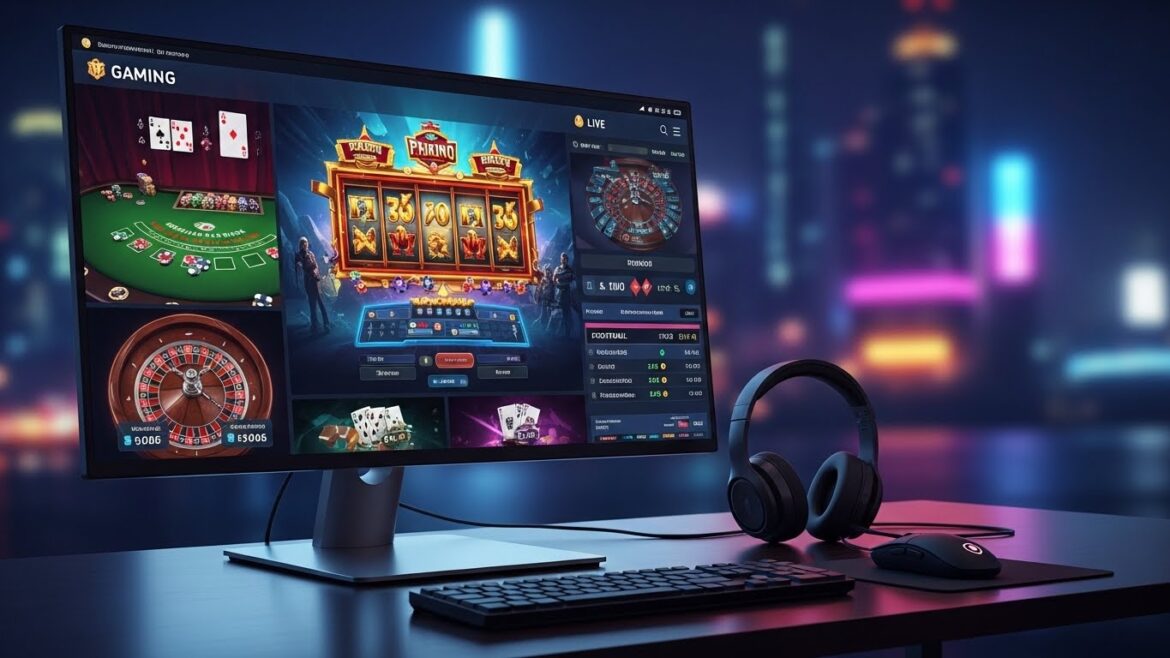
Introduction: The Transformation of Gambling
The iGaming industry has seen unprecedented growth over the last two decades, evolving from small online platforms to global, multi-billion-dollar enterprises. With advancements in technology, increased internet penetration, and a growing acceptance of online gambling, iGaming has transformed the way people experience entertainment and wager their money. No longer restricted to land-based casinos, the gambling industry has gone digital, offering a vast range of gaming options to players worldwide.
In this blog post, we will explore the world of iGaming, its rise to prominence, the technologies that drive it, current trends, and what the future holds for this dynamic industry. Whether you’re a casual player, an industry insider, or someone curious about the digital gambling ecosystem, this post will give you a comprehensive understanding of iGaming.
What is iGaming?
iGaming, or interactive gaming, refers to the use of the internet or other online technologies to play games of chance or skill for money or prizes. It includes online casino games, sports betting, poker, eSports betting, and lottery games. Unlike traditional brick-and-mortar gambling establishments, iGaming allows players to wager, play, and win from the comfort of their homes or on the go through mobile applications.
In the broader sense, iGaming encompasses a variety of platforms and games, including:
- Online Casinos: Offering classic casino games like slots, blackjack, roulette, and poker.
- Sports Betting: Online platforms for placing bets on various sports events.
- Poker Rooms: Digital spaces for players to compete against each other in poker games.
- Bingo and Lottery Games: Digital versions of bingo and lottery that can be played with real money.
- Fantasy Sports and eSports Betting: An emerging sector, where players bet on virtual sports or real-world sports events.
The Early Days of Online Gambling
The origins of iGaming can be traced back to the mid-1990s, when the first online casinos were launched. The very first legal online casino, Microgaming, was established in 1994. Shortly thereafter, other companies like Cryptologic and RealTime Gaming followed suit, developing the software that powered online gambling sites.
In 1996, the first online poker room, Planet Poker, was introduced, laying the groundwork for what would become a global phenomenon. The industry’s initial growth was slow, due to the early internet’s lack of security and trust issues with online transactions. However, over time, the industry grew as technology advanced, and more players became comfortable with the idea of gambling online.
The Technology Behind iGaming
The evolution of technology has been a key driver behind the success of iGaming. Over the years, improvements in both software and hardware have transformed the player experience, making online gambling safer, more immersive, and accessible.
Software Development
The software development behind iGaming platforms is a combination of creativity, mathematics, and engineering. Online casinos and betting platforms rely on sophisticated algorithms and random number generators (RNGs) to ensure fairness and security. Game developers use these technologies to create games that mimic the feel of traditional casinos, but with added benefits like convenience, availability, and variety.
Moreover, the introduction of live dealer games has revolutionized the industry. These games use real dealers and real casino equipment streamed in real-time, giving players a more authentic experience without leaving their homes.
Mobile Technology
With the rise of smartphones and tablets, mobile technology has played a pivotal role in the growth of iGaming. Many online casinos and sportsbooks now offer mobile apps or mobile-optimized websites, allowing users to place bets, play games, and track winnings anytime, anywhere.
The development of mobile gaming has brought in a younger, tech-savvy audience, accustomed to the convenience of playing on their smartphones. Mobile games are designed with touchscreen interfaces, offering a user-friendly experience that’s tailored to the smaller screen sizes.
Payment Solutions and Security
Payment solutions have evolved significantly, making online gambling more accessible. Players can now deposit and withdraw funds using a variety of methods, including credit cards, bank transfers, e-wallets like PayPal and Skrill, and even cryptocurrencies like Bitcoin.
Security is also a key concern in the iGaming sector, given the financial transactions involved. Modern encryption technologies, such as SSL (Secure Socket Layer) and two-factor authentication, ensure that players’ personal and financial data remain safe. Regulatory bodies, like the UK Gambling Commission and the Malta Gaming Authority, also impose strict security and fairness standards on operators.
Current Trends in iGaming
As the iGaming industry continues to evolve, several key trends have emerged that are shaping the future of the sector.
1. The Rise of Cryptocurrency and Blockchain
Cryptocurrencies, particularly Bitcoin and Ethereum, are increasingly being used in online gambling. Crypto transactions offer several advantages, including anonymity, faster withdrawals, and lower transaction fees compared to traditional banking methods. Some platforms even offer exclusive crypto-only games or bonuses to attract cryptocurrency users.
Blockchain technology also promises to bring increased transparency and fairness to online gambling. By using decentralized ledgers, blockchain can provide an immutable record of transactions, ensuring that players’ funds are secure and that games are fair.
2. Esports and Virtual Sports Betting
Esports betting has grown into a massive industry, with millions of fans and players around the world. iGaming platforms are capitalizing on this trend by offering betting markets on esports tournaments and matches. Games like League of Legends, Dota 2, and Counter-Strike have become major attractions for bettors, with some online casinos even featuring dedicated esports sections.
In addition to esports, virtual sports are becoming a popular alternative for sports betting enthusiasts. Virtual sports simulate real-life sports events using computer graphics, allowing players to place bets on outcomes of virtual matches and races.
3. Responsible Gambling and Player Protection
As the iGaming industry continues to expand, responsible gambling practices have become a significant focus for operators and regulators. To prevent gambling addiction and protect vulnerable players, many iGaming platforms now offer tools like self-exclusion, deposit limits, and time-out features.
Regulators are also imposing stricter rules around advertising and marketing to ensure that players are fully aware of the risks involved in online gambling. Furthermore, some jurisdictions require operators to undergo regular audits to ensure that their games are fair and that players are protected from fraud.
4. Live Casino Games
Live casino games have seen significant growth in recent years, allowing players to interact with real dealers in real time. These games, such as live blackjack, roulette, baccarat, and poker, use HD video streaming to bring the atmosphere of a physical casino to online players.
The appeal of live casino games lies in their authenticity. Players can chat with dealers and other players, making the experience feel much more immersive compared to traditional online casino games that use random number generators.
5. Social Gambling
Social gambling is becoming a growing trend, especially with the rise of social media and online communities. Some iGaming platforms now offer multiplayer games that allow players to compete against friends or engage in social betting, where players can share their bets and wagers on platforms like Facebook or Instagram.
These social features are making online gambling more interactive and community-driven, appealing to a younger demographic that values social connectivity.
The Future of iGaming
Looking ahead, the future of iGaming is both exciting and uncertain. Several factors will shape the direction of the industry in the coming years.
1. Expansion into New Markets
As more regions around the world legalize and regulate online gambling, the iGaming market is expected to continue expanding. Countries like the United States, Canada, and several European nations have begun to open their doors to online gambling, offering new opportunities for operators and players.
However, market expansion also brings challenges, such as ensuring compliance with local regulations and managing regional differences in gambling preferences.
2. Augmented Reality (AR) and Virtual Reality (VR) Integration
The next frontier in iGaming could be the integration of augmented reality (AR) and virtual reality (VR) technologies. These immersive technologies could offer players a more lifelike gambling experience, with virtual casinos and poker rooms that players can explore in 3D.
While still in its early stages, the potential for AR and VR in iGaming is vast. For example, players could attend a live poker tournament in a virtual environment or explore virtual slot machines that respond to their movements and actions.
3. AI and Personalization
Artificial intelligence (AI) will play an increasingly important role in the future of iGaming. AI can be used to personalize gaming experiences, recommend games based on player preferences, and even detect problematic gambling behavior in real-time. AI algorithms can also improve customer support, offering chatbots and virtual assistants to assist players 24/7.
Conclusion: The Bright Future of iGaming
The iGaming industry has come a long way from its humble beginnings in the 1990s. With continuous technological advancements, an ever-expanding global market, and evolving player preferences, online gambling is set to remain a dominant force in the entertainment landscape.
As the industry continues to innovate and embrace new trends, such as cryptocurrency integration, esports betting, and immersive gaming experiences, the future of iGaming looks incredibly promising. With responsible gambling practices and increased regulation, the industry can continue to grow sustainably while ensuring that players have a safe and enjoyable experience.
Whether you’re a seasoned player or just getting started, the world of iGaming offers endless possibilities and entertainment for everyone.