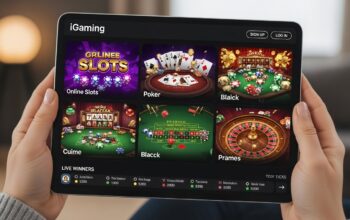

The iGaming industry, often referred to as online gambling or interactive gaming, has rapidly evolved into one of the most lucrative sectors in the global entertainment landscape. What began as a niche activity for a select group of enthusiasts has expanded to encompass a massive digital ecosystem that includes everything from online casinos and sports betting to virtual poker and live dealer experiences. With technology continuing to innovate at a rapid pace, iGaming is expected to only grow in scope, diversity, and global reach.
In this blog post, we’ll take a deep dive into the world of iGaming. We’ll explore the history of online gambling, the various forms of iGaming that exist today, the technology driving the industry, its impact on society, and what the future holds for this digital revolution in entertainment.
What is iGaming?
iGaming is a broad term that encompasses all forms of online gambling, including activities like online casinos, poker, sports betting, and bingo. It allows players to place wagers and play games via the internet rather than physically visiting a casino or betting shop. iGaming platforms have become sophisticated, offering a wide range of games, from traditional casino offerings like slots, blackjack, and roulette to newer, innovative experiences such as virtual reality casinos and live dealer tables.
Unlike land-based gambling, iGaming can be accessed from the comfort of one’s own home—or even on the go, thanks to mobile technology. This accessibility, combined with the convenience of online payment systems and the wide variety of games available, has led to a massive increase in iGaming participation across the globe.
A Brief History of iGaming
The history of iGaming dates back to the mid-1990s when the first online casinos started to emerge. The key moment in the early days of online gambling came in 1994 when Antigua and Barbuda passed the Free Trade & Processing Act, which allowed for the licensing and regulation of online gaming. This opened the door for software providers like Microgaming and Cryptologic to develop the first online casino platforms.
By the late 1990s, the internet was becoming more widely accessible, and companies quickly realized the potential of taking traditional gambling practices into the digital space. In 1996, the first real-money online casinos went live, with offerings that included classic table games like blackjack and roulette. This led to a boom in online gambling, especially as technology advanced and players were able to enjoy a more immersive experience.
Fast forward to the present day, and the iGaming industry is now a multibillion-dollar global business, with millions of players engaging in online gambling activities. This massive growth has been fueled by continuous improvements in technology, as well as regulatory frameworks that aim to ensure fairness and safety for consumers.
Different Types of iGaming Platforms
iGaming is not limited to one specific type of game or experience. It spans across various categories, each offering a unique form of entertainment. Here are some of the key types of iGaming platforms:
Online Casinos
Online casinos are the most popular form of iGaming. They replicate the experience of traditional brick-and-mortar casinos, but with the added benefit of being accessible from anywhere in the world. These platforms feature a wide variety of games, such as slot machines, table games like blackjack and baccarat, and video poker. Some online casinos also offer progressive jackpots, where the prize pool increases every time someone plays the game, creating the potential for massive payouts.
The advent of live dealer games has brought a new level of authenticity to online casinos. Live dealer platforms allow players to interact with real dealers via a video stream, creating a more immersive experience that closely resembles the traditional casino environment.
Sports Betting
Sports betting is one of the oldest forms of gambling, and its transition to the digital world has been seamless. Online sportsbooks allow bettors to place wagers on a wide variety of sports, from football and basketball to tennis and esports. These platforms often provide live betting features, where players can place bets in real-time as the game or event unfolds.
One of the most significant advantages of iGaming sports betting platforms is the ability to offer better odds, a wider range of markets, and more diverse betting options compared to traditional sportsbooks. The rise of in-play betting, where users can wager on events as they happen, has further revolutionized sports betting in the online space.
Online Poker
Online poker is another major segment within the iGaming market. Unlike traditional casino games, poker relies heavily on skill, strategy, and psychology, which has made it a popular choice for competitive players. Online poker rooms allow players to join cash games or tournaments, with some events offering large-scale prize pools.
The World Series of Poker (WSOP) has made the transition to the online space, and many poker players now compete in online qualifiers for a chance to win prestigious live tournament seats. Poker has even seen the rise of “eSports-style” events, where top players go head-to-head in massive online tournaments with live streaming.
Virtual Sports and Esports
Virtual sports and esports are two of the fastest-growing sectors in iGaming. Virtual sports, which simulate real-world sports events using computer-generated graphics, allow players to place bets on events that are entirely virtual. These events are often programmed to happen at regular intervals, meaning there’s no need to wait for a live match to occur. Games like virtual football, basketball, and horse racing have gained significant popularity due to their fast-paced nature and the fact that they’re available 24/7.
Esports, or competitive video gaming, has quickly risen to become a major category within the iGaming industry. Esports betting platforms allow fans to wager on professional gaming events like League of Legends, Dota 2, Counter-Strike: Global Offensive, and Fortnite. These competitions attract millions of viewers, and the potential for large payouts and sponsorship deals has made esports a massive industry of its own.
The Technology Behind iGaming
The success of iGaming can be attributed in large part to advances in technology. The following technological innovations have played a crucial role in shaping the iGaming experience:
Mobile Technology
The advent of smartphones and tablets has revolutionized the iGaming landscape. Today, most iGaming platforms offer mobile-friendly websites and apps that allow players to access games on the go. Whether you’re on a bus, at home, or traveling, mobile iGaming offers unparalleled convenience. Mobile gaming apps are optimized for various screen sizes and devices, providing a seamless and enjoyable experience no matter where you are.
Blockchain and Cryptocurrencies
Blockchain technology and cryptocurrencies like Bitcoin have begun to play a key role in the iGaming sector. Blockchain provides a decentralized, secure, and transparent way of handling financial transactions, which is especially important in online gambling. Many online casinos now accept cryptocurrency deposits and withdrawals, allowing for faster, more secure transactions.
Cryptocurrencies also offer anonymity for players, which can be appealing in regions where online gambling is heavily regulated or even illegal. The introduction of smart contracts, powered by blockchain, further enhances the security and fairness of iGaming platforms by automating processes and reducing human error.
Artificial Intelligence and Machine Learning
AI and machine learning are also transforming the iGaming industry. AI algorithms can be used to create more sophisticated and engaging gaming experiences by adapting to a player’s preferences, skill level, and behavior. For example, AI can be used in online casinos to personalize promotions, offer tailored rewards, and even create intelligent opponents in poker and blackjack.
Machine learning, on the other hand, is used in fraud detection, ensuring that transactions are safe and that suspicious activities can be flagged in real-time. This enhances the security of the platform, which is vital in maintaining trust with players.
Virtual Reality (VR) and Augmented Reality (AR)
While still in the early stages, virtual reality (VR) and augmented reality (AR) have the potential to revolutionize the iGaming industry. VR casinos allow players to enter immersive 3D environments where they can interact with dealers and other players, providing a more lifelike and engaging gambling experience. Augmented reality, which overlays digital elements onto the real world, could allow players to experience gaming in entirely new ways, creating interactive gambling experiences that blend the physical and digital worlds.
Legal and Regulatory Considerations in iGaming
As iGaming continues to grow, so too does the complexity of its legal and regulatory landscape. Different countries have varying laws when it comes to online gambling, with some fully embracing the industry, while others impose strict restrictions or outright bans.
In countries where online gambling is regulated, iGaming platforms must adhere to a variety of legal requirements, such as age restrictions, responsible gambling practices, and financial transparency. Licensing authorities, like the United Kingdom Gambling Commission (UKGC) or the Malta Gaming Authority (MGA), ensure that platforms operate fairly, securely, and responsibly.
While some regions have fully embraced iGaming, there are still areas where the legality of online gambling remains a gray area. As the popularity of online gambling increases, it’s likely that we’ll see further developments in global regulation, aiming to strike a balance between promoting a thriving industry and protecting consumers.
The Future of iGaming
The future of iGaming looks incredibly promising. Technological advancements, combined with growing player demand, suggest that the industry will continue to evolve at a rapid pace. Mobile gaming will continue to grow, particularly as 5G networks make it easier to stream high-quality gaming content. Virtual reality and blockchain-based games will offer new, innovative experiences, while esports and online poker will become even more competitive and professionalized.
As regulatory frameworks continue to develop and expand across the globe, the iGaming industry will likely see more mainstream adoption, attracting new players from all walks of life. With the right balance of innovation, regulation, and player protection, iGaming has the potential to become a dominant force in the global entertainment sector.
Conclusion
iGaming has come a long way since its humble beginnings in the mid-90s. Today, it’s a dynamic and expansive industry that offers a variety of exciting gambling experiences for players around the world.