
Introduction: What is iGaming?
iGaming, or online gaming, refers to digital platforms where players can participate in casino games, sports betting, poker, bingo, lotteries, and other forms of gambling over the internet. Unlike traditional casinos, iGaming allows people to enjoy their favorite games anytime, anywhere, with the convenience of a computer, smartphone, or tablet.
The rise of iGaming has transformed the gambling industry, offering not just convenience but also immersive experiences, social interaction, and technological innovation. Today, iGaming is a multi-billion-dollar global industry, attracting millions of players worldwide. This blog explores the evolution, impact, and future of iGaming.
The History of iGaming
iGaming has its roots in the mid-1990s, coinciding with the growth of the internet. The first online casinos emerged during this period, providing digital versions of classic table games like blackjack, roulette, and poker. Initially, security concerns and limited internet speed slowed adoption, but the novelty and convenience quickly attracted players.
As technology advanced, so did iGaming. Graphics improved, random number generators ensured fairness, and secure payment systems built trust among players. By the 2000s, online gambling had expanded beyond desktop computers, with mobile devices enabling players to access games on the go. Today, iGaming offers realistic, immersive experiences that rival physical casinos.
Popular Forms of iGaming
iGaming encompasses a wide range of activities, appealing to various types of players. Some of the most popular include:
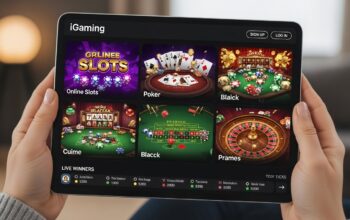
Casino Games: Digital versions of roulette, blackjack, baccarat, and slot machines are staples of iGaming. Modern platforms offer high-quality graphics, realistic sound effects, and interactive features to replicate the thrill of a physical casino.
Poker: Online poker platforms allow players to compete in tournaments or casual games. These platforms often offer tutorials and practice modes, making them accessible to both beginners and experienced players.
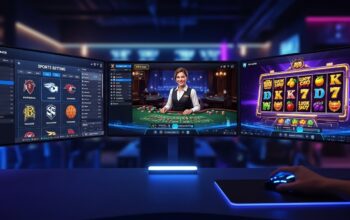
Sports Betting: Online sports betting has grown rapidly, enabling fans to place wagers on football, basketball, horse racing, and even esports. Real-time updates and live betting options enhance the excitement.
Lotteries and Bingo: Many iGaming platforms offer digital lotteries and bingo games, combining social interaction with the chance to win prizes.
The diversity of options ensures that there is something for every type of player, from casual gamers to competitive enthusiasts.
The Technology Behind iGaming
The iGaming industry relies heavily on technology to provide secure, engaging, and fair experiences. Random number generators ensure that casino games are unpredictable and fair. Encryption and secure payment gateways protect player data and transactions, building trust in online platforms.
Mobile applications have made iGaming more accessible than ever. Players can spin slots, place bets, or join tournaments from anywhere, without the need to visit a physical casino. Live dealer technology further enhances immersion, allowing players to interact with real croupiers in real-time, bridging the gap between online and land-based gambling.
The Appeal of iGaming
iGaming offers several advantages over traditional gambling experiences:
Convenience: Players can enjoy games from home, during commutes, or anywhere with internet access.
Variety: Online platforms host hundreds of games, offering something for every taste.
Accessibility: Tutorials, free-play modes, and low-stakes options make iGaming approachable for beginners.
Innovation: Features like progressive jackpots, themed slots, and gamification elements enhance entertainment.
These factors contribute to the growing popularity of iGaming across age groups and regions.
The Economic Impact of iGaming
iGaming is a major contributor to the global economy. It creates jobs in software development, customer service, marketing, and payment processing. Governments also benefit from licensing fees and taxes on revenue generated by online gambling platforms.
Additionally, iGaming supports other sectors such as entertainment, sports, and tourism. Sponsorships, advertising, and partnerships between online casinos and sports teams generate revenue and visibility for multiple industries. The economic ripple effect of iGaming demonstrates its influence beyond just the players themselves.
Responsible Gaming in the Digital Era
As iGaming grows, promoting responsible gaming has become essential. Platforms now offer tools to set deposit limits, time restrictions, and self-exclusion options. Awareness campaigns educate players about gambling risks, helping prevent addiction.
Responsible gaming ensures that iGaming remains a source of entertainment rather than a harmful activity. Players are encouraged to view iGaming as a form of leisure, not a guaranteed source of income, and to recognize the importance of balance and self-control.
The Social Aspect of iGaming
Modern iGaming is not just solitary play; many platforms emphasize social interaction. Multiplayer poker, online bingo rooms, and live dealer games allow players to communicate, compete, and celebrate wins together. Chat functions, leaderboards, and social media integration foster community among players.
This social dimension enhances engagement and replicates some of the communal experiences found in land-based casinos. It also provides an opportunity for players to connect globally, building friendships and networks through shared gaming experiences.
iGaming and Innovation
The iGaming industry is a hub for technological innovation. Developers are constantly experimenting with augmented reality, virtual reality, and blockchain technology to enhance security, transparency, and immersion. VR casinos allow players to explore digital casino floors as if they were physically present, while blockchain-based games offer provably fair mechanisms and decentralized ownership of digital assets.
Gamification elements, such as achievements, rewards, and leveling systems, increase player engagement. Innovative features like these ensure that iGaming continues to evolve and stay ahead of traditional entertainment options.
Challenges in the iGaming Industry
Despite its growth, iGaming faces challenges. Regulatory differences across countries can limit access, requiring platforms to navigate complex legal landscapes. Security concerns and fraud remain ongoing issues, demanding continuous technological improvements.
Additionally, the potential for gambling addiction requires careful management. Platforms must balance engagement with ethical responsibility, ensuring that players are protected while still enjoying an entertaining experience. The industry’s ability to address these challenges will determine its long-term sustainability and reputation.
The Future of iGaming
The future of iGaming is full of potential. Emerging technologies such as virtual reality, artificial intelligence, and blockchain will continue to shape the industry. Personalized gaming experiences, AI-driven customer service, and advanced analytics will make platforms more engaging and responsive.
The integration of esports and betting may also grow, creating new forms of competitive entertainment. Mobile gaming will continue to dominate, with instant access and convenience driving participation. As technology advances, iGaming is likely to become more immersive, interactive, and socially connected than ever before.
Conclusion: iGaming as a Modern Entertainment Platform
iGaming has revolutionized the gambling industry, offering convenience, variety, and innovation. It combines technology, entertainment, and social interaction in ways that traditional casinos cannot match. From poker and slot machines to sports betting and live dealer games, iGaming provides experiences for every type of player.
The industry contributes significantly to the economy, drives innovation, and continues to grow globally. Responsible gaming ensures that iGaming remains a source of enjoyment rather than risk, while technological advancements promise even more immersive and engaging experiences in the future.
In essence, iGaming is not just about winning or losing—it is about entertainment, connection, and exploration in the digital age. It represents the future of interactive leisure, blending technology, creativity, and excitement into a dynamic platform for millions of players around the world.