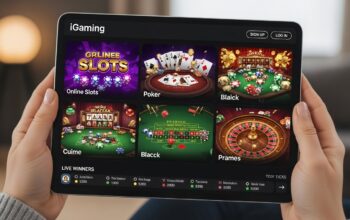

The world of online gambling, or iGaming, has evolved dramatically over the last few decades. From its humble beginnings in the mid-1990s to the vast, multi-billion-dollar industry it is today, iGaming has become a global phenomenon. Technological advancements, changes in consumer behavior, and shifts in regulatory frameworks have all played a significant role in shaping the way people engage with online gaming. In this blog post, we’ll take a deep dive into the key factors that have contributed to the growth and success of iGaming and explore how future trends could further reshape the industry.
What is iGaming?
Before we explore the evolution of iGaming, it’s important to understand what the term actually means. iGaming refers to any type of gambling or gaming activity that takes place over the internet. This can include online casinos, sports betting, poker, and even virtual sports. The rise of online gaming platforms has allowed players from all over the world to access their favorite games at any time, creating a global marketplace for online gambling.
iGaming is not limited to traditional casino games like slots, blackjack, and roulette. Over time, the industry has expanded to include a range of other gaming options, including esports betting, fantasy sports, bingo, and even social gaming experiences. As the technology behind iGaming continues to evolve, the possibilities for new and innovative gaming experiences are virtually limitless.
The Rise of Online Gambling: A Brief History
The first online casinos appeared in the mid-1990s, when the internet was still a relatively new phenomenon. In 1994, Antigua and Barbuda passed the Free Trade & Processing Zone Act, which allowed companies to obtain licenses to operate online casinos. This was a game-changer for the industry, as it provided a legal framework for online gambling to exist.
In the early years, online gambling was relatively small-scale and limited to a handful of websites. However, as internet speeds improved and technology advanced, the industry began to expand rapidly. The introduction of secure payment methods such as credit cards and e-wallets made it easier for players to deposit and withdraw money, and the increasing popularity of home computers and smartphones meant that people could gamble anytime, anywhere.
By the early 2000s, online poker and sports betting had gained massive popularity. Poker rooms like PokerStars and PartyPoker became household names, attracting millions of players from all over the world. Meanwhile, online sportsbooks began to cater to fans of sports like football, basketball, and horse racing, offering bettors the ability to wager on events in real time.
In recent years, online casinos have continued to evolve, with the introduction of live dealer games, virtual reality experiences, and mobile apps. The increasing availability of high-speed internet and the growth of mobile devices have made iGaming more accessible than ever before, contributing to the industry’s global expansion.
How Technology is Revolutionizing iGaming
The iGaming industry has been shaped by technological innovations in several key areas, including game development, payment systems, and user experience. Let’s take a look at some of the most significant technological advancements that have had a lasting impact on the industry.
1. Mobile Gaming: The Shift to Smartphones and Tablets
One of the most significant trends in the iGaming industry over the past decade has been the rapid shift to mobile gaming. The proliferation of smartphones and tablets has made it easier than ever for players to enjoy their favorite casino games, poker hands, or sports bets on the go. According to recent studies, mobile gaming now accounts for more than half of all online gambling revenue.
iGaming operators have responded to this shift by optimizing their platforms for mobile devices, ensuring that players have a seamless experience across desktops, smartphones, and tablets. In addition to responsive websites, many iGaming operators have launched dedicated mobile apps, which offer a more personalized and streamlined gaming experience.
2. Live Dealer Games: Bringing the Casino to Your Home
Another major innovation in the iGaming space is the rise of live dealer games. These games use video streaming technology to connect players with real dealers in real-time. Players can interact with dealers and other participants, creating a more authentic and immersive experience compared to traditional online games that rely solely on random number generators (RNGs).
Live dealer games, such as blackjack, roulette, and baccarat, have become increasingly popular in online casinos. The ability to watch and interact with a real dealer from the comfort of home has bridged the gap between land-based and online casinos, attracting players who want the social aspects of in-person gambling without having to leave their homes.
3. Virtual Reality (VR) and Augmented Reality (AR): A Glimpse Into the Future
Virtual reality and augmented reality are set to play a major role in the future of iGaming. VR technology allows players to immerse themselves in a fully interactive 3D environment, creating a casino experience that feels incredibly realistic. Using VR headsets, players can walk around a virtual casino floor, interact with dealers, and play games as if they were in a physical casino.
While VR is still in its early stages, several iGaming companies are already experimenting with VR casinos, and the technology has the potential to revolutionize the online gambling experience. Augmented reality, which overlays digital content onto the real world, also offers exciting possibilities for interactive gaming experiences.
4. Cryptocurrency and Blockchain: The Future of Online Payments
Cryptocurrency and blockchain technology are transforming the way online gambling transactions are processed. Digital currencies like Bitcoin, Ethereum, and others have gained popularity in the iGaming world because they offer a secure, fast, and anonymous way for players to deposit and withdraw funds.
Blockchain technology, which underpins cryptocurrencies, has also been used to enhance transparency and fairness in iGaming. For example, blockchain-based platforms can verify the integrity of games by providing players with access to the underlying code and algorithms used in the games. This level of transparency helps to build trust with players and ensures that the games are not rigged.
Regulatory Challenges and the Importance of Responsible Gaming
As iGaming continues to grow, regulators around the world are grappling with how to best oversee the industry. In many jurisdictions, online gambling is still subject to complex and often conflicting regulations, making it difficult for operators to navigate the legal landscape. Some countries, like the UK and Malta, have established clear frameworks for regulating online gambling, while others, like the United States, have a patchwork of state-level laws.
Ensuring that iGaming operators comply with these regulations is crucial for protecting consumers and maintaining the integrity of the industry. Regulatory bodies require operators to obtain licenses, follow strict anti-money laundering (AML) practices, and ensure that their games are fair and transparent.
At the same time, responsible gambling practices are becoming increasingly important. The rise of problem gambling and addiction, particularly with the accessibility of mobile gaming, has led to calls for stricter measures to protect vulnerable players. Many online gambling platforms now offer tools for players to set limits on their spending, time spent playing, and self-exclude from gaming if necessary.
The Future of iGaming: Trends to Watch
The iGaming industry is poised for even more growth and innovation in the years ahead. Some of the key trends to watch include:
- Esports Betting: As competitive gaming continues to rise in popularity, more and more iGaming operators are adding esports betting options. This trend is particularly popular among younger audiences who are already avid gamers.
- Artificial Intelligence (AI): AI is likely to play a larger role in iGaming by helping operators personalize experiences for players, detect fraudulent behavior, and optimize game development.
- Gamification: iGaming platforms are increasingly incorporating gamification elements such as rewards, achievements, and challenges to make the gaming experience more engaging and enjoyable.
- Social Gambling: With the rise of social media, social gambling platforms are becoming more popular. These platforms allow players to share their experiences, play with friends, and compete in challenges.
Conclusion
iGaming is an industry that continues to evolve at a rapid pace, driven by technological advancements, changes in consumer preferences, and shifting regulatory environments. As the industry grows, we can expect to see even more innovation in game design, payment solutions, and user experiences. From mobile gaming to live dealer experiences, virtual reality to cryptocurrencies, the future of iGaming is bright and full of exciting possibilities.
Whether you’re an experienced player or a newcomer to the world of online gambling, the ongoing advancements in technology will continue to reshape the way we play. As the industry matures, it will undoubtedly bring more opportunities for entertainment, rewards, and social interaction. The evolution of iGaming is only just beginning, and it’s safe to say that its best days are still ahead.