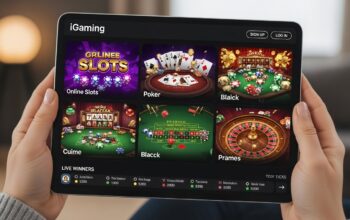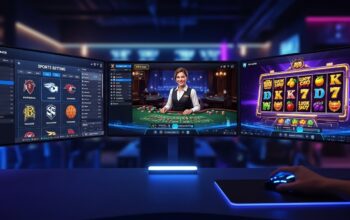

In recent years, the gaming and gambling industries have experienced a dramatic transformation, largely driven by the rise of iGaming. As traditional casinos and betting shops gradually gave way to digital platforms, a new form of entertainment emerged—one that offers convenience, accessibility, and a broad range of gaming experiences. iGaming, or interactive gaming, refers to the practice of participating in gambling and gaming activities via the internet, encompassing everything from online casinos to sports betting and eSports. With the global iGaming market expanding rapidly, it’s clear that this digital revolution has only just begun.
This blog post delves into the world of iGaming, its evolution, key segments, technological advancements, and the exciting future it holds. By exploring the various aspects of this dynamic industry, we’ll gain a better understanding of what makes iGaming so appealing to modern players and why it’s becoming an increasingly integral part of the entertainment landscape.
What is iGaming?
At its core, iGaming refers to any form of online gaming or gambling. This includes a wide range of activities, from traditional casino games like blackjack and roulette to sports betting, online poker, virtual games, and even betting on eSports. The accessibility of iGaming through desktop and mobile devices allows players to engage with their favorite games and sports from anywhere in the world, at any time.
Unlike land-based casinos or physical betting shops, which require players to be present at a specific location, iGaming offers a level of flexibility and convenience that traditional gambling cannot. All you need is an internet connection, and you can dive into an immersive gaming experience from the comfort of your own home—or even while on the go.
While the term “gaming” can refer to both gambling and skill-based video games, iGaming typically focuses on betting-related activities, where players stake money or cryptocurrency on a variety of games or events.
A Brief History of iGaming
The history of iGaming is relatively short but fascinating. It all began in the mid-to-late 1990s when the first online casinos were established. At the time, internet connectivity was becoming more widely available, and the idea of gambling online seemed novel. In 1994, Antigua and Barbuda passed the Free Trade & Processing Act, allowing companies to apply for licenses to offer online gambling services. This laid the groundwork for the development of the modern iGaming industry.
By the late 1990s, software providers like Microgaming and Cryptologic developed the technology needed to run secure online casinos. The first online poker rooms were launched in the late 1990s, attracting a new wave of gamblers to the digital space. Online sportsbooks followed soon after, offering fans the chance to place bets on sporting events from anywhere in the world.
As internet technology improved, so too did the quality of iGaming platforms. The introduction of secure payment systems, such as credit cards, digital wallets, and later cryptocurrencies, helped create an environment where online gambling could thrive. By the 2000s, iGaming had become a major global industry, and it continues to grow rapidly to this day.
Key Segments of iGaming
The iGaming industry has evolved into a highly diverse and multi-faceted market. Different segments cater to various types of players, and the range of gaming experiences available today is broader than ever. The major sectors within iGaming include:
Online Casinos
Online casinos form the backbone of the iGaming industry. These platforms offer a variety of games that replicate traditional casino experiences. Some of the most popular online casino games include slot machines, blackjack, roulette, baccarat, and poker.
What sets online casinos apart is their ability to offer a vast selection of games with different themes, features, and payout structures. Players can also engage with live dealer games, which use video streaming to allow players to interact with real human dealers in real time. This innovative feature has become increasingly popular, providing players with an experience that mimics the excitement of a land-based casino, while still enjoying the convenience of online play.
Sports Betting
Sports betting has been a cornerstone of iGaming from its early days, and it remains one of the most popular segments. Today, bettors can wager on a wide array of sports, including traditional ones like football, basketball, and tennis, as well as niche sports such as MMA, eSports, and virtual sports. The rise of online sportsbooks has made betting more accessible than ever, with users able to place bets at any time and from anywhere in the world.
Sportsbooks today offer a variety of betting options, including pre-match and live betting, where players can place wagers while a game is in progress. The advent of mobile betting apps has further revolutionized the industry, allowing users to place bets and follow live odds while on the go.
Poker
Online poker has become one of the most well-known and competitive sectors within the iGaming space. Platforms like PokerStars and 888poker have built massive communities of poker players, offering a variety of formats such as Texas Hold’em, Omaha, and Seven Card Stud. Online poker rooms also host high-stakes tournaments with millions of dollars in prizes, attracting both recreational players and professional gamblers alike.
Poker has unique appeal because it combines both skill and luck, and players can actively influence the outcome of the game through strategy. This aspect of poker is part of what makes it so exciting for players, who can hone their skills and compete against others from all over the world.
Virtual and Esports Betting
In recent years, esports has become a dominant force in the gaming industry, and this has led to a growing segment of iGaming focused on esports betting. Esports encompasses competitive video gaming, where professional players and teams compete in games like League of Legends, Counter-Strike, Dota 2, and Fortnite.
Much like traditional sports betting, esports betting allows players to wager on matches, tournaments, and player performance. The explosive growth of esports has made it a lucrative market for betting companies, with millions of fans tuning in to watch tournaments and place bets on their favorite players or teams.
Additionally, virtual sports—simulated games powered by algorithms—are becoming increasingly popular. These games, which include virtual football, horse racing, and more, offer fast-paced betting opportunities with random outcomes, giving players an alternative to traditional sports betting.
Technological Innovations in iGaming
Technology plays a central role in the success and growth of iGaming. The industry’s ability to innovate and adapt to new technological trends is one of the key reasons for its rapid expansion. Here are a few of the most significant technological advancements that have shaped iGaming in recent years:
Mobile Gaming
One of the most important changes in iGaming over the last decade has been the rise of mobile gaming. With smartphones and tablets now ubiquitous, the iGaming industry has shifted to accommodate mobile-first players. Mobile apps and mobile-optimized websites allow users to play casino games, place sports bets, and participate in poker tournaments from anywhere with an internet connection.
The mobile gaming experience has become smoother, with developers focusing on creating user-friendly apps that run seamlessly across a variety of devices. This shift has expanded the player base, bringing in new users who prefer the convenience of playing on their phones or tablets.
Live Dealer Technology
The introduction of live dealer games revolutionized online casinos by allowing players to engage with real human dealers in real time. Through high-definition video streaming, players can enjoy a more authentic and interactive gaming experience. Live blackjack, roulette, and baccarat have become hugely popular among players who enjoy the social aspect of live casino games, as they can chat with dealers and other players.
Blockchain and Cryptocurrencies
Blockchain technology and cryptocurrencies like Bitcoin have become increasingly integrated into the iGaming space. Blockchain provides a secure and transparent way to record transactions, ensuring that all wagers and payouts are verifiable. Cryptocurrencies, on the other hand, offer an anonymous and decentralized way to conduct financial transactions, appealing to players who value privacy and security.
Several online casinos and sportsbooks now accept cryptocurrencies, allowing players to deposit and withdraw funds in digital currencies. This development has brought new customers into the market, particularly those who are already familiar with blockchain and cryptocurrencies.
Artificial Intelligence and Machine Learning
AI and machine learning are beginning to have a significant impact on the iGaming industry. These technologies can enhance personalization, offering players tailored recommendations based on their previous gaming behavior. Additionally, AI can help identify patterns of problematic gambling behavior and promote responsible gaming practices by alerting operators to potential issues.
The Future of iGaming
As the iGaming industry continues to evolve, the future looks bright, with several emerging trends shaping the next phase of its growth. Some of the most exciting developments on the horizon include:
Virtual Reality (VR) Casinos
The next frontier for iGaming could be the introduction of virtual reality (VR) casinos. VR technology would allow players to step into fully immersive 3D casino environments, interact with dealers and other players, and experience games as though they were in a real-life casino. This level of immersion could revolutionize online gambling, attracting a new generation of players seeking a more lifelike experience.
Increased Regulation
As iGaming becomes more widespread, the regulatory landscape will likely become more stringent. Governments around the world will continue to impose stricter rules and licensing requirements, ensuring that operators follow best practices when it comes to player protection, fairness, and responsible gaming.
Gamification and Social Features
The iGaming industry is also embracing gamification, which introduces elements of video games—such as leveling up, achievements, and rewards—into gambling platforms. Social features, like leaderboards and multiplayer games, are likely to become more prevalent, allowing players to interact with each other in new ways.