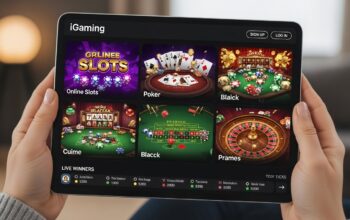

The world of iGaming, encompassing online casinos, sports betting, and digital gaming, has transformed the way people approach traditional forms of gambling and entertainment. With the rise of internet connectivity, mobile devices, and secure payment systems, iGaming has evolved into a multi-billion-dollar industry that attracts millions of players globally. As technology advances and the regulatory landscape adapts, the future of online gambling looks more promising than ever before. In this blog, we’ll explore the history, growth, and future of iGaming and how it’s reshaping the entertainment and gambling industries.
What is iGaming?
iGaming, short for “internet gaming,” refers to the broad category of gambling that takes place over the internet. This includes everything from online casinos, poker rooms, and sports betting to lottery games and virtual gaming. Unlike traditional brick-and-mortar casinos or betting shops, iGaming allows players to access a range of gambling activities from the comfort of their own homes, using computers, smartphones, and tablets.
The iGaming industry spans across several verticals, with online casino games, including slots, table games, and live dealer experiences, being some of the most popular. Additionally, online sports betting has grown rapidly, with bettors placing wagers on everything from football and basketball to esports and virtual races. The convenience and accessibility of iGaming have contributed significantly to its rapid growth, making it a dominant force in global entertainment.
The Rise of Online Casinos: From Traditional to Digital
The concept of online casinos dates back to the mid-1990s when the first real-money online casino, InterCasino, opened its virtual doors in 1996. At the time, the internet was still in its early stages, and the idea of gambling online seemed unconventional. However, the development of secure payment systems, like credit card processing and encryption technologies, helped lay the groundwork for the expansion of online gaming.
In the years that followed, the popularity of online casinos soared, with players eager to try their luck at games like blackjack, poker, roulette, and, of course, slot machines. The digital versions of these games were designed to mimic the experience of playing in a physical casino, offering random number generators (RNGs) that ensured fairness and unpredictable outcomes.
One of the biggest draws of online casinos is the sheer variety of games available. Players can choose from a wide range of slot machines, themed table games, and even live casino experiences, where real dealers manage games via video streams. The advent of mobile apps has further enhanced the accessibility of these casinos, allowing players to gamble on the go, 24/7, from virtually anywhere in the world.
Sports Betting: A Digital Revolution
Sports betting is another major component of iGaming, and the shift from traditional sportsbooks to online platforms has been equally transformative. Historically, sports betting was largely confined to physical locations or illegal bookies. However, the advent of online sportsbooks has democratized the activity, enabling sports enthusiasts to place bets on their favorite events with ease.
The growth of online sports betting has been driven by several factors, including increased internet penetration, better mobile experiences, and a greater acceptance of gambling in general. Major international events like the World Cup, the Super Bowl, and the Olympics have seen massive online betting activity, while more niche markets, such as esports, have created entirely new categories for betting.
In many countries, the legalization of sports betting has contributed to the surge in popularity. In the United States, the repeal of the Professional and Amateur Sports Protection Act (PASPA) in 2018 allowed individual states to regulate sports betting, leading to a rapid increase in legal, regulated online sports betting platforms.
The variety of betting options is staggering, with players able to wager on point spreads, moneylines, over/under totals, live in-game betting, and even fantasy sports. The ease of access, combined with a broad range of betting markets, has made online sports betting a staple of the iGaming industry.
The Emergence of Esports Betting
One of the most significant developments in the world of iGaming in recent years has been the rise of esports betting. Esports, or competitive video gaming, has rapidly grown into a multi-million-dollar industry, with tournaments like The International (Dota 2), League of Legends World Championship, and Fortnite World Cup attracting global audiences.
Esports betting allows fans to wager on the outcomes of these tournaments, teams, and individual matches. Esports betting shares many similarities with traditional sports betting, but it also offers unique elements, such as the ability to bet on specific in-game events (e.g., kills, gold earned, or map control).
With the growth of live streaming platforms like Twitch and YouTube Gaming, esports has cultivated a massive online community, further driving interest in esports betting. As the esports industry continues to expand, the market for esports betting is expected to follow suit, offering new and exciting opportunities for iGaming operators and bettors alike.
Virtual Games and Fantasy Sports: The New Frontier
In addition to traditional online casino games and sports betting, iGaming has ventured into new territories, including virtual sports and fantasy sports. Virtual sports are computer-generated simulations of real-world sports events, such as horse racing, soccer, and basketball. These simulations are powered by RNGs and provide fast-paced betting opportunities for players who want to enjoy sports wagering without waiting for the next real-life event.
Fantasy sports, particularly daily fantasy sports (DFS), have also become an integral part of the iGaming world. Platforms like DraftKings and FanDuel allow players to create fantasy teams based on real-life athletes and compete for cash prizes. Unlike traditional fantasy leagues, which span entire seasons, DFS allows users to play for short-term rewards, often daily or weekly.
Both virtual sports and fantasy sports have become highly popular with players who enjoy the strategic elements of sports betting but prefer a more fast-paced or simulated environment. These new forms of iGaming offer fresh avenues for bettors and attract a diverse range of participants.
iGaming Regulation and Responsible Gambling
As iGaming continues to grow, it has raised important questions regarding regulation, security, and responsible gambling. While the industry’s expansion has brought with it economic benefits, it has also prompted governments and regulators to take a closer look at how online gambling should be managed.
Different countries have adopted varying approaches to iGaming regulation. Some have implemented strict laws to ensure that online casinos and sportsbooks operate fairly, while others have legalized and taxed the industry, using the revenue to fund public services. Ensuring player safety, protecting vulnerable individuals, and preventing problem gambling are key priorities for regulators and iGaming operators alike.
The rise of responsible gambling initiatives, such as self-exclusion programs, deposit limits, and age verification protocols, has played a crucial role in promoting a safe and secure gambling environment. iGaming companies are increasingly investing in tools and technologies that promote responsible play, ensuring that players can enjoy their experience without risking harm.
The Future of iGaming: Innovations on the Horizon
The future of iGaming is brimming with exciting potential, thanks to the continuous advancements in technology. One of the most anticipated developments is the integration of virtual reality (VR) and augmented reality (AR) into the gaming experience. VR casinos could allow players to step into a digital casino environment, interacting with games and other players in a fully immersive space. AR, on the other hand, could enhance live games by overlaying additional information and interactive features onto the real world.
Blockchain technology also holds promise for the iGaming industry, providing a more transparent and secure way of handling transactions. Cryptocurrencies like Bitcoin and Ethereum are already being used by some online casinos and sportsbooks, offering players faster and more secure payment methods.
In addition, the continued growth of mobile gaming means that iGaming will only become more accessible. With faster internet speeds, improved mobile devices, and better user interfaces, players will have more opportunities to engage with their favorite gambling activities anytime, anywhere.
Conclusion: A Global Phenomenon with Endless Possibilities
iGaming has come a long way since its humble beginnings in the mid-1990s. Today, it stands as one of the most dynamic and fast-growing sectors of the entertainment industry. With a vast array of gaming options, including online casinos, sports betting, esports, and virtual games, iGaming offers something for everyone.
As technology continues to evolve, the industry will likely experience even greater transformation, with virtual reality, blockchain, and mobile gaming further enhancing the iGaming experience. For players, the future promises new opportunities, more immersive experiences, and greater access to global gambling markets. For operators, it’s a time to innovate and adapt, ensuring that the industry remains both exciting and responsible.
In a world that is increasingly connected, iGaming is no longer just a pastime—it’s a global phenomenon that continues to shape the future of entertainment and gambling.